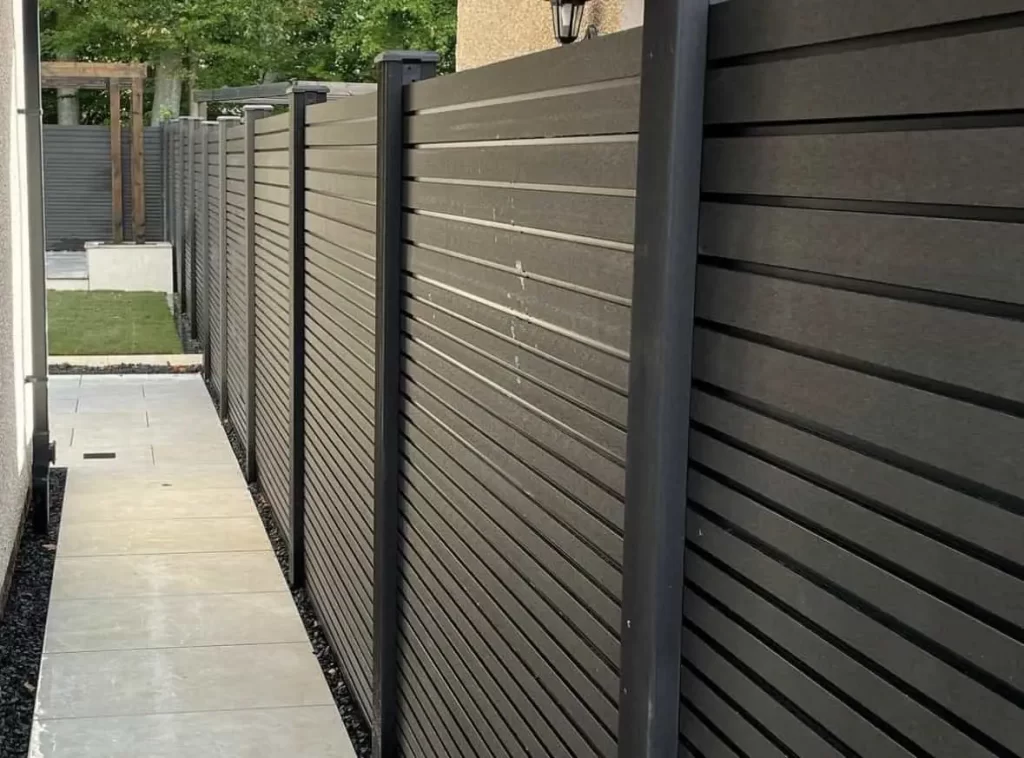
Maintaining composite cladding is straightforward. Unlike traditional timber, composite cladding doesn’t normally need painting, staining or sealing. However, it still benefits from occasional cleaning, routine inspections and keeping drainage and ventilation openings clear.
The key is to prevent small problems from developing into bigger ones. Checking for debris, loose components, trapped moisture and nearby vegetation can help keep your cladding looking good and performing as intended.
In this guide, we’ll explain how to maintain composite cladding, what to check throughout the year and how to prevent common maintenance problems.
How Much Maintenance Does Composite Cladding Need?
Composite cladding is designed to withstand normal outdoor conditions without the regular protective treatments associated with traditional timber.
However, low-maintenance doesn’t mean maintenance-free.
Like any exterior surface, composite cladding is exposed to rain, sunlight, pollution and organic debris. Over time, these can affect its appearance or create conditions that require attention.
How much maintenance your cladding needs depends on several factors:
- Location: Properties near busy roads, trees or coastal environments may accumulate more surface deposits.
- Weather exposure: Shaded or sheltered walls may stay damp longer.
- Surroundings: Overhanging trees and nearby vegetation can encourage debris to accumulate.
- Installation: Correct drainage, ventilation and fixings help the cladding perform as intended.
For most properties, occasional cleaning and periodic visual inspections are sufficient. More exposed locations may need additional attention.
A Simple Composite Cladding Maintenance Checklist
You don’t need specialist equipment to carry out a basic visual inspection.
The following checklist covers the main things worth monitoring.
| What to check | What to look for | What to do |
|---|---|---|
| Surface condition | Dirt, scuffs or unusual marks | Clean affected areas using suitable methods |
| Ventilation openings | Leaves or other obstructions | Keep accessible openings clear |
| Drainage | Overflowing gutters or persistent damp patches | Identify and address the source of unwanted water |
| Boards and trims | Cracks, distortion or loose components | Arrange an inspection if necessary |
| Fixings and joints | Unexpected movement or unusual gaps | Seek advice before attempting repairs |
| Nearby vegetation | Branches rubbing against boards | Trim vegetation and maintain clearance |
| Organic growth | Algae or mildew in shaded areas | Address moisture build-up and arrange suitable cleaning |
A visual inspection every few months is a sensible starting point, particularly after severe weather.
You shouldn’t need to dismantle the cladding to carry out these checks. If anything appears loose, damaged or unsafe, contact a suitably qualified installer.
Keep Ventilation and Drainage Clear
One of the most important aspects of composite cladding maintenance is keeping its ventilation and drainage arrangements functioning correctly.
Depending on the installation system, composite cladding may be fitted over a supporting framework with a ventilated cavity behind the boards.
This helps manage moisture and allows water to drain away.
Problems can arise when leaves, soil, vegetation or other debris block openings designed for ventilation or drainage.
To reduce the risk:
- Keep accessible ventilation and drainage openings clear.
- Check that nearby gutters and downpipes are working correctly.
- Avoid allowing soil or garden materials to build up against the bottom of the cladding.
- Don’t seal designed gaps unless the manufacturer’s installation instructions specifically require it.
- Investigate persistent damp patches or water collecting around the installation.
Never remove cavity barriers, fire barriers or other protective components to improve airflow. These form part of the building’s safety and cladding system.
If water appears to be getting behind the cladding unexpectedly, investigate the underlying cause rather than simply cleaning the visible surface.
Check for Damage, Loose Boards and Fixings
Composite cladding is designed for outdoor use, but it isn’t immune to accidental damage.
It’s worth occasionally checking the condition of boards, joints, trims and exposed edges, particularly around windows, doors and external fixtures.
Look for:
- Cracked or damaged boards.
- Loose trims or displaced components.
- Unexpected distortion.
- Movement around fixings.
- Damage caused by ladders, tools or garden furniture.
Small gaps between components may be intentional, allowing for normal expansion and contraction as temperatures change.
Don’t assume that every gap indicates a problem.
However, if a board is pulling away from its fixings or has become noticeably distorted, it should be investigated.
Avoid forcing boards back into place or changing fixings without checking the manufacturer’s requirements.
Can Scratched Composite Cladding Be Repaired?
Light marks may simply be transferred dirt, so cleaning the affected area is a sensible first step.
Deeper scratches or cracks are more difficult to address.
Don’t automatically sand, heat or polish composite cladding. These methods can permanently alter its appearance or damage a protective surface layer.
If the damage is significant, contact the manufacturer or installer about suitable repairs or replacement boards.
Manage Surrounding Vegetation
Trees, bushes and climbing plants can affect the condition of exterior cladding when they’re allowed to grow directly against it.
Overhanging branches may scrape the surface during windy weather, while dense vegetation can trap moisture and encourage leaves and other debris to accumulate.
To help prevent problems:
- Trim branches that regularly touch the cladding.
- Avoid allowing climbing plants to block ventilation openings.
- Remove accumulated leaves from accessible edges and ledges.
- Keep the surrounding area clear enough to inspect the boards.
Vegetation growing nearby isn’t necessarily harmful. The main concerns are repeated abrasion, restricted airflow and persistent moisture.
Prevent Mould, Mildew and Algae
Composite cladding generally offers greater resistance to moisture-related deterioration than untreated timber, but mould, mildew and algae can still develop on its surface.
This is particularly common in shaded areas where dirt and moisture remain for extended periods.
The best preventative measures are straightforward:
- Keep gutters and drainage routes clear.
- Avoid allowing vegetation to trap moisture against the cladding.
- Remove accumulated organic debris.
- Investigate areas that remain unusually damp.
If mould or algae appears, use a cleaning method suitable for your particular cladding product.
Persistent growth may indicate an underlying drainage or moisture problem that needs attention.
Does Composite Cladding Need Regular Cleaning?
Yes. Although composite cladding is low-maintenance, occasional cleaning helps remove accumulated dirt, dust, pollen and other surface deposits.
How often cleaning is necessary depends on the property’s location, weather exposure and surrounding environment.
A wall beneath overhanging trees, for example, may require more frequent attention than one in a relatively sheltered, open location.
For detailed advice about cleaning frequency, suitable equipment, pressure washing and removing stubborn stains, see our guide to how to clean composite cladding.
This is the best place to find the practical cleaning instructions, rather than repeating them here.
What Should You Avoid When Maintaining Composite Cladding?
Some maintenance methods can cause unnecessary damage.
Avoid harsh chemicals and solvents. Strong cleaning products may discolour or damage composite surfaces.
Don’t sand boards without manufacturer approval. Sanding can permanently alter their colour, texture or protective finish.
Don’t block ventilation openings. These may be essential to the performance of the installed cladding system.
Avoid unnecessary pressure on the boards. Don’t lean heavy objects against the cladding or assume it can support wall-mounted fixtures.
Don’t attempt unsuitable repairs. Removing trims or forcing boards into position could damage neighbouring components or the supporting structure.
Always follow the care and maintenance instructions for your particular Ecoscape cladding range.
Does Composite Cladding Need Painting, Staining or Sealing?
Composite cladding doesn’t normally require painting, staining or sealing to protect it from the weather.
This is one of its main maintenance advantages over traditional timber cladding, which may require periodic protective treatments depending on the wood species and finish.
Composite cladding is manufactured with its intended surface appearance already incorporated into the product.
Applying paint, timber stain or another unsuitable coating may affect its appearance and increase its ongoing maintenance requirements.
If you’re considering changing its colour, read our separate guide on whether composite cladding can be painted.
Always check the manufacturer’s recommendations before applying any treatment.
When Should You Contact a Professional?
Most routine maintenance involves visual inspections and straightforward preventative care.
However, some problems need professional attention.
Contact a suitably qualified installer if you notice:
- Boards or trims becoming loose.
- Significant cracking or impact damage.
- Unexpected movement or distortion.
- Persistent water ingress or dampness behind the cladding.
- Suspected problems with the supporting framework or fixings.
Don’t attempt to dismantle cladding at height or repair structural components without suitable expertise and equipment.
If there’s concern about fire-safety components or the wall construction, seek advice from an appropriately qualified professional.
Frequently Asked Questions
Is composite cladding maintenance-free?
No. Composite cladding is low-maintenance rather than maintenance-free. It generally doesn’t require routine painting, staining or sealing, but occasional cleaning and visual inspections help maintain its appearance and condition.
How often should you inspect composite cladding?
A visual check every few months is a reasonable starting point, particularly following severe weather. Properties exposed to heavy pollution, surrounding vegetation or persistent moisture may benefit from more frequent checks. Always follow any product-specific maintenance requirements.
Can damaged composite cladding boards be replaced?
In many cladding systems, damaged components can be replaced, although the process depends on the board profile, fixing method and extent of the damage. Contact the manufacturer or installer before attempting to remove individual boards.
Final Thoughts
Maintaining composite cladding is largely about prevention rather than intensive upkeep.
Keeping ventilation and drainage openings clear, checking for damage, managing surrounding vegetation and removing surface deposits when necessary can all help preserve its appearance and performance.
Unlike traditional timber, composite cladding doesn’t normally require repeated painting, staining or sealing.
By following the manufacturer’s care instructions and addressing small problems promptly, you can keep your cladding looking its best with relatively little ongoing effort.