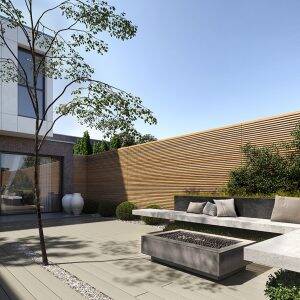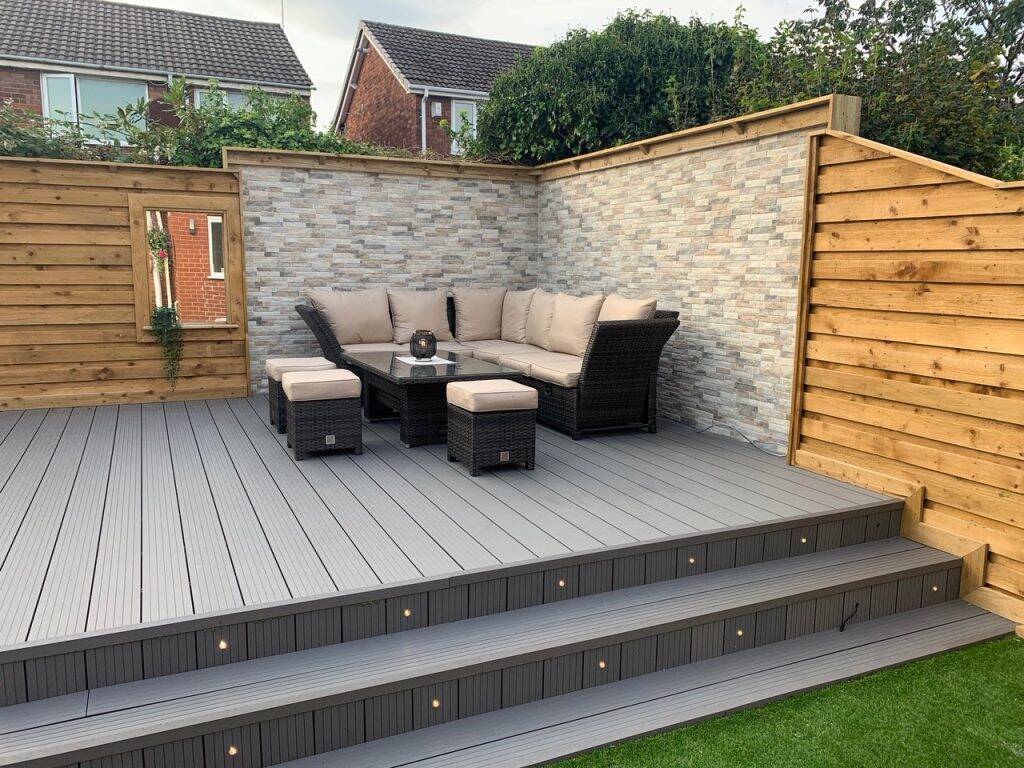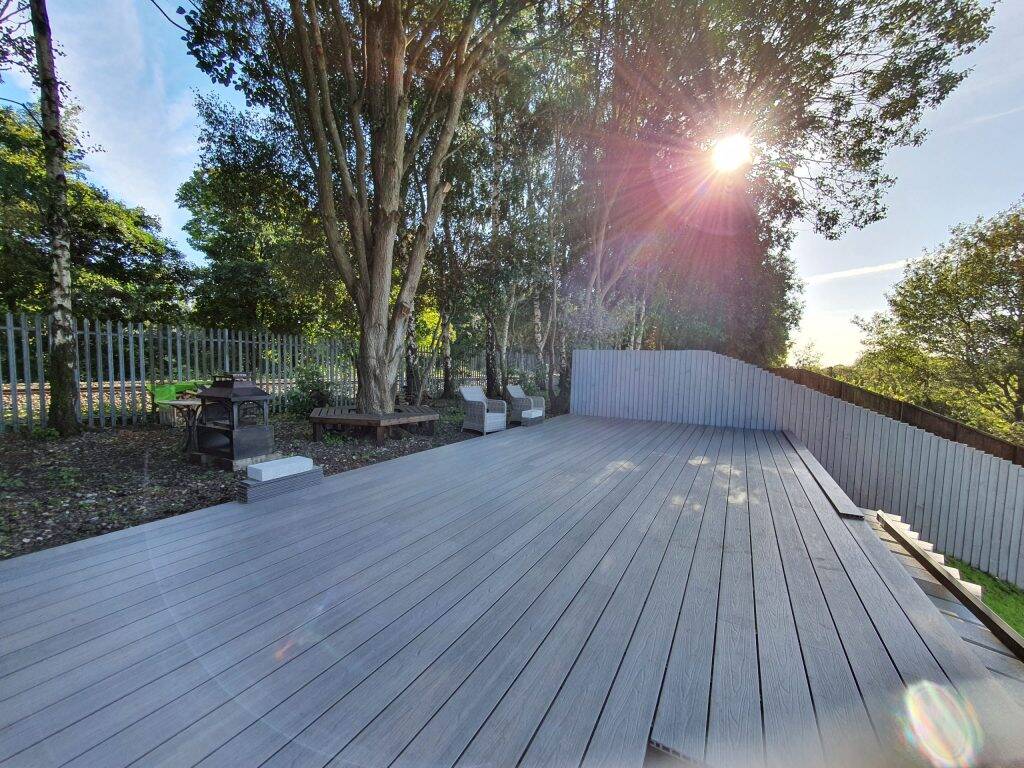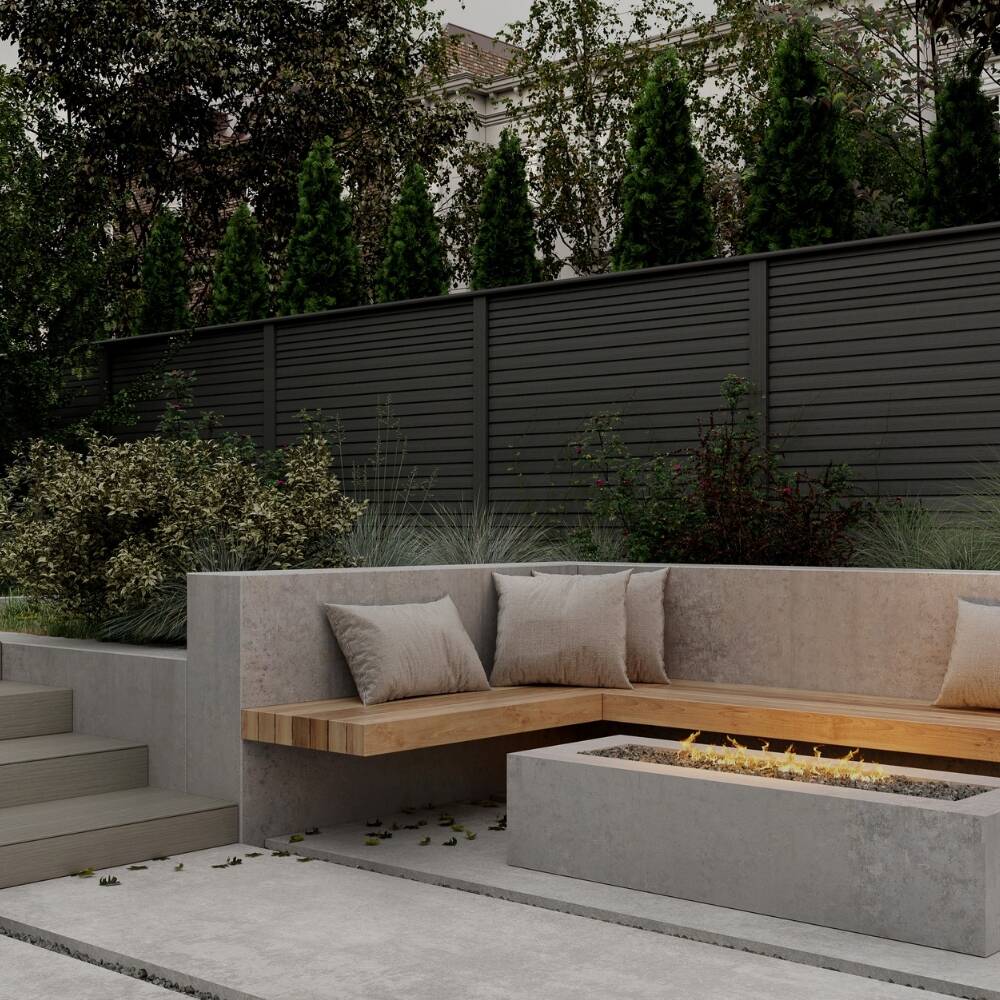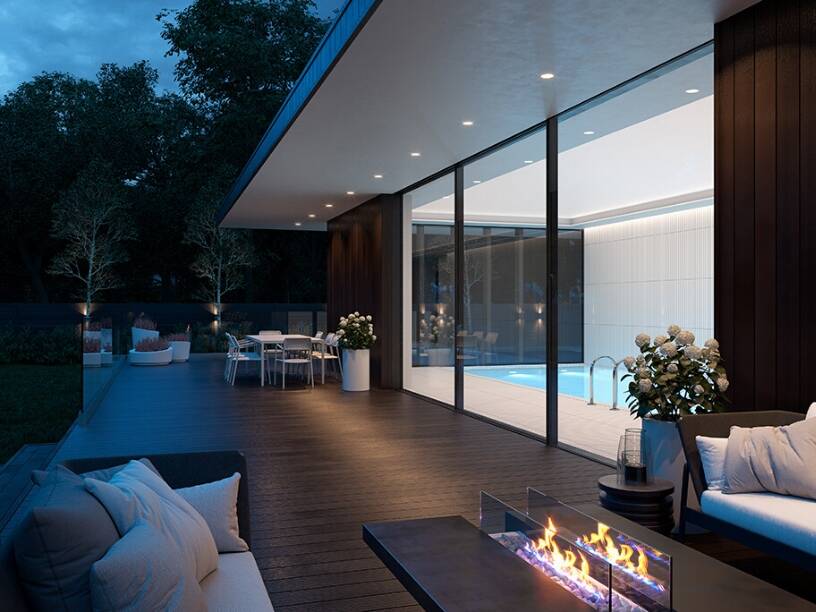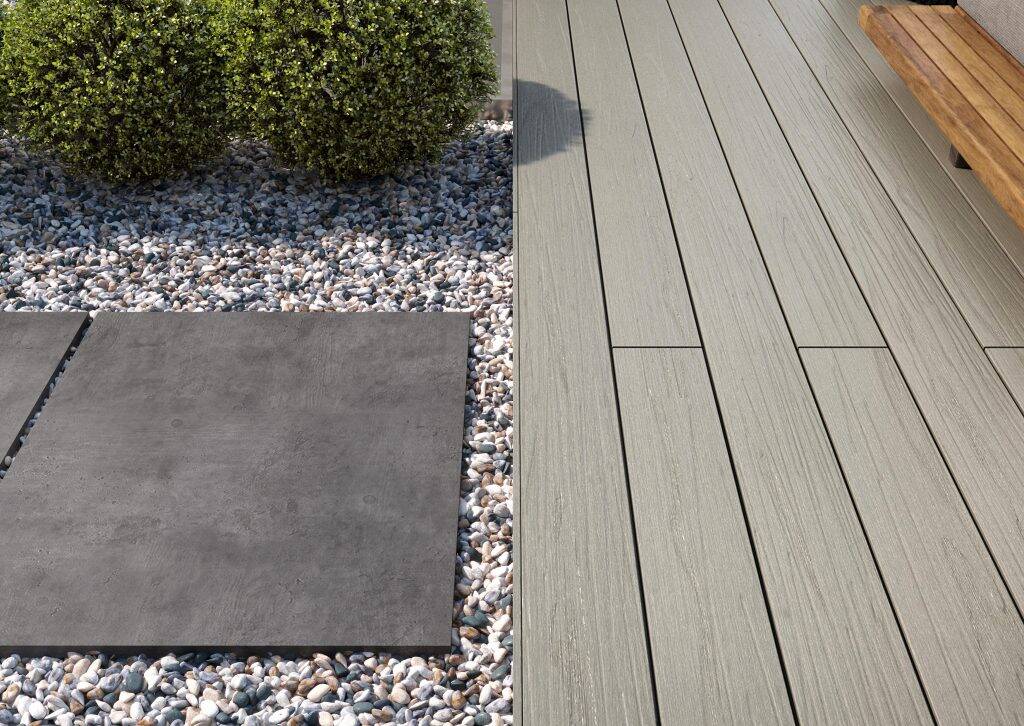
A deck basically provides outdoor living space, which is either freestanding or attached straight to your home and can be used for a multitude of purposes. Whether you are looking to create a play area for your kids or even out a slope in your garden to create a space for relaxation and hosting friends in summer – the options are sheer endless.
Planning a composite decking project is much easier when you’ve worked out how you want to use the space, where the deck will sit and what size and layout will suit your garden. These early decisions affect everything from the materials you’ll need to the overall budget, so it’s worth getting them right before work begins.
Are you ready for some mid-summer nights spent in your beautiful, new outdoor space? To support you with your composite decking endeavour, we have put together this easy guide on how to plan your composite decking project successfully.
What are you using your deck for?
Are you aiming to build your deck to be an entertainment and social area in your garden, an area for your children to play while getting some fresh air without getting dirty from the muddy ground, or are you looking to build a space to relax outdoors, potentially with a hot tub or even a pool?
Having the use of your deck figured out is quite an important step when it comes to planning a project like this. Since the utilisation of your deck will determine not just the type of deck boards needed but also the location of your new building project in your garden, you should make up your mind on this question first.
Here are some further ideas for different functions of a deck:
- BBQ area
- Stargazing area
- Complementing the paving or turf
- Neatening up the slope in your garden
Luckily, composite is an incredibly versatile material, meaning no matter which purpose your deck is going to fulfil, your composite decking is not going to disappoint. It is easy to install and comes with very few maintenance requirements. On top of this, the composite is all-weather resistant and comes with valuable anti-slip features.
Where are you going to place your deck?
The location of your deck is obviously tightly linked to the function of your deck. This is why there are some further options on where you can place your deck, which can also influence what you are going to use it for:
Rooftop Deck
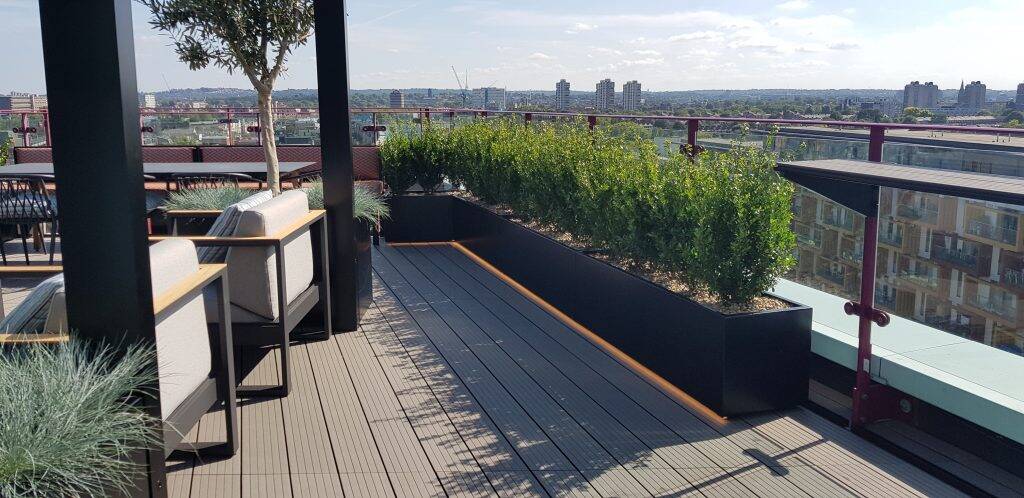
A rooftop deck can create valuable outdoor space, particularly where garden space is limited. However, planning one requires careful consideration of the building’s structural capacity, exposure to wind and sunlight, drainage, access and any restrictions affecting the property.
Before deciding on the size or design, have the roof’s suitability and load-bearing capacity assessed by an appropriately qualified professional. The proposed decking system must also be compatible with the roof’s waterproofing and drainage arrangements.
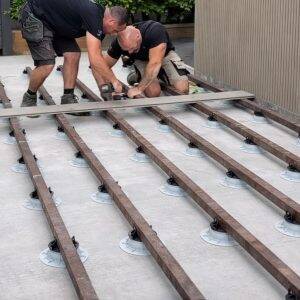
Depending on the design, a suitable decking joist and subframe system may include solid plastic or aluminium joists. The correct choice will depend on the roof’s structural requirements and the proposed decking system.
Think about how you’ll use the space, whether privacy screening or balustrades may be needed, and how easily materials and furniture can be brought onto the roof. These decisions will influence the design, overall cost and permissions required.
Garden Deck
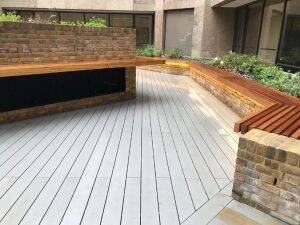
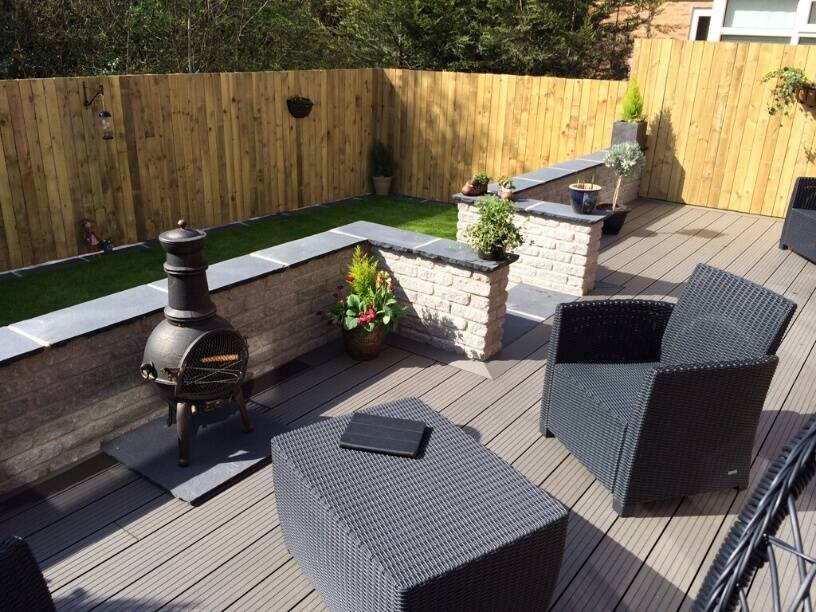
Using composite decking for a multi-functional garden deck, to host BBQs, have your children play or even place a hot tub on is amazing, as it doesn’t require much treatment and comes with a handy anti-slip feature.
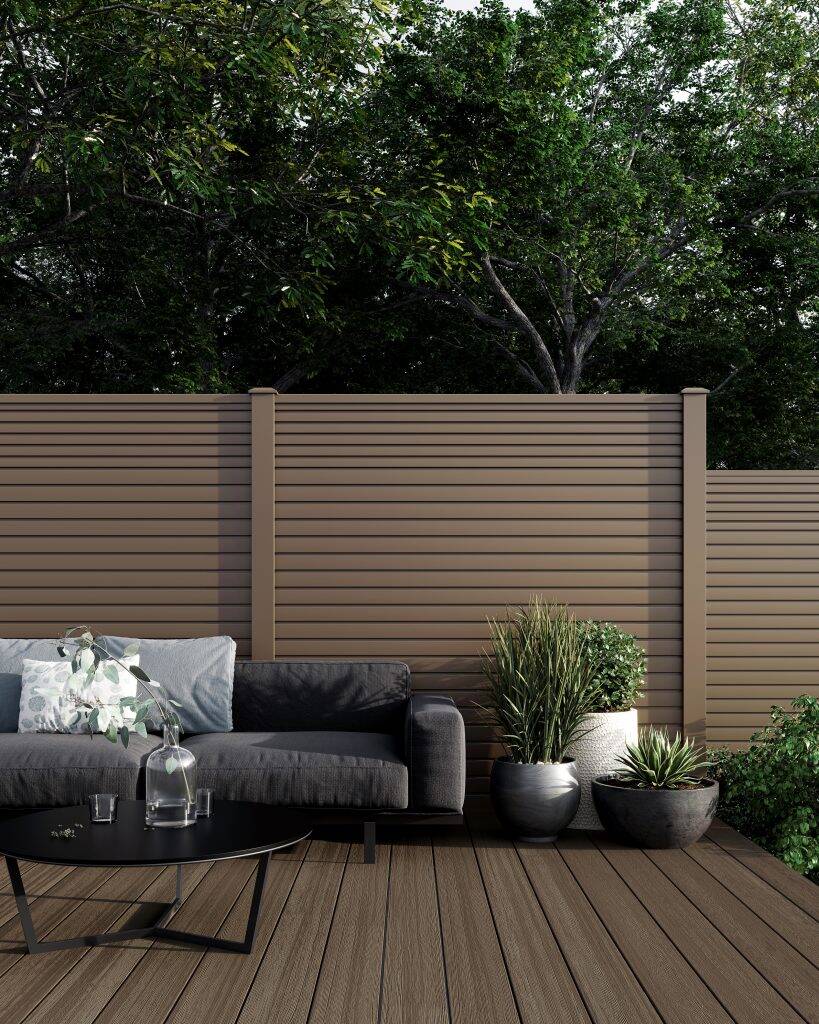
No matter whether your garden deck will just be hosting garden furniture, or standing underneath a tree or in the sun all day long, UV-protected and stain-resistant composite is definitely the way to go.
Balcony Deck
Whether your balcony deck is for commercial or domestic purposes, choose materials which have high UV stability, an anti-slip feature and do not wear and tear quickly. As an eco-friendly alternative to timber decking, considering composite for your balconies can be a smart choice to make.
On top of that, make sure to plan whether you will require drainage systems or other extras for heavy weather on your balcony deck!
Commercial Deck
No matter if it is for outside seating space for your restaurant or pub, a business roof-top terrace or smoking area for your employees or evening out the ground for some hotel guests – if you are in need of a deck that can host large crowds and lots of change of feet, or better shoes, then going with composite decking will be your best bet, as well.
The hard-wearing material with anti-slip features will keep everybody safe, and your deck will look its best for a long time to come!
Things to consider
Here are some of the general variables to consider, no matter how you are going to use your deck or even where you are going to be building it on your property:
- Will your deck be built on level or sloping ground?
- Is the deck going to join up to your house, or will it be placed further away from it, perhaps under a tree in your garden?
- Will your deck get much sun, or are you building it in a shaded space?
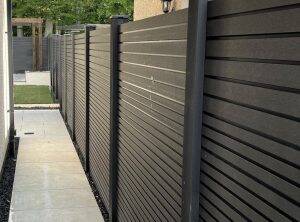
- How much privacy will your deck have, and does it potentially need a bit of fencing around certain sides?
- Are there any other features you might have to work around, such as trees, boulders or posts?
- If there are any features, especially trees, what trees are they and how fast do they grow (meaning you might have to leave them more room in your deck to expand), do they lose their leaves in winter or give off a lot of blossoms in spring which might make the deck harder to clean?
- When building a ground-level deck, is the ground wet or rather dry underneath? The soggy ground might make the deck unstable.
Before definitely choosing a site to build your deck, we suggest renting a CAT (cable avoidance tool) as well so that you can check whether you have any cables or even pipes on your property which might end up lying underneath your decking area.
This is important, as in the worst case, you might have to demolish your deck in order to reach those cables or pipes if there happens to be an issue, rather stay clear of any areas that have any of these items in the ground to keep your deck for as long as possible!
If you are still unsure about where to place your deck and what it should look like, check out this composite decking inspiration with beautiful and versatile decks from across the globe! Then get yourself a plan of your house and the garden and mark where you want to start your deck project!
How big is your deck going to be?
How much of your outdoor space do you want to cover with your deck? What is the size of your garden? How big can a rooftop deck be? Is your new balcony going to be only on one side of the house or go around the house wall? Those are some important questions to consider when trying to figure out the size of your future deck space.
Figuring this out will also give you insights on how many deck boards you will have to use – but we will touch on this a bit later.
One expert piece of advice, no matter the space for your deck project plans – be conservative with your size, as you can always extend (most decks) later as well.
Below are steps which will assist you in figuring out the size, structure and design of your future deck in order to have better knowledge about materials, how many deck boards and deck railings, as well as what decking frame you will have to purchase.
Decking Structure
There are various possibilities when figuring out your decking structure. To keep it simple, here are the most common ones:
- Basic ground-level deck
- great for level gardens and ground areas
- most basic decking structure
- either with footings or directly on the ground
- think of extras, such as decking lights & lamps in the corners
- Ground-level deck with a balustrade (deck railings)
- used for children and or pets to remain in one area
- decorative or practical purpose of railings (for pot plants or light rails underneath)
- potentially needs a gate
- Elevated deck with deck railings and potential stairs
- best for gardens with slopes
- more time- and resource-consuming to built
- space below the deck can be used for storage or garage purposes
- consider skirting panels & lighting
The type of deck you choose will affect its height, accessibility, structural requirements and overall budget. Raised decks and designs incorporating stairs or balustrades generally require more planning than a straightforward ground-level deck.
At this stage, focus on choosing the structure that best suits your space and intended use. The detailed support and construction requirements can be considered once the design has been agreed.
Decking Design
There are several ways to arrange your composite decking boards, and the pattern you choose can make a noticeable difference to the overall look and feel of your outdoor space.
Here are four popular decking design options to consider.
Horizontal Deck Boards
Laying decking boards horizontally creates a traditional, straightforward appearance that suits most gardens. It’s a popular choice for rectangular decks and works well with both modern and traditional outdoor spaces.
Diagonal Deck Boards
Diagonal decking adds a contemporary twist to a traditional design. By running the boards at an angle, you can create a more distinctive appearance and add visual interest to a simple garden layout.
Chevron Deck Boards
A chevron pattern creates a decorative, V-shaped design, similar to traditional parquet flooring. It can make an attractive feature of a larger deck, particularly where the pattern can be appreciated from the house or garden.
Picture Frame Deck Boards
A picture-frame design uses decking boards around the perimeter to create a defined border. This can give the deck a more finished appearance and help distinguish it from surrounding paving, lawns or planting areas.
Choosing the Right Decking Pattern
Decide on your preferred decking pattern during the planning stage, as it can influence the number of boards required, cutting waste and overall project cost.
Diagonal, chevron and picture-frame layouts can involve more complex supporting structures than straightforward horizontal decking, so it’s worth considering these requirements before finalising your measurements and budget.
Decking Layout
You can always choose to lay your decking at different levels and heights, which can give a different flair to your garden in no time. On top of that, you should remain an open mind when it comes to the layout of your decking. A curved edge or round decking can provide a soft finish to your garden, while rectangular or square decks bring a more traditional flair.
When it comes to your decking layout, the use of your deck, as well as the existing features in your garden, have a significant influence on the space. If you have some existing garden furniture or other items you would like to place on your deck, arrange them in a way that is to your liking and consider enough space to move these items around – that’s your ideal layout!
Choosing Materials for Your Composite Decking Project
The decking materials you choose will influence the appearance, cost and practical requirements of your project.
Think about the colour, finish, board dimensions and how the space will be used. A busy family seating area, for example, may have different priorities from a decorative deck in a quiet corner of the garden.
Ecoscape offers several composite decking ranges, including Clarity and Forma, with different finishes and board specifications.
Consider the following before choosing:
- Appearance: Which colour, texture and finish will suit your outdoor space?
- Board dimensions: How will board lengths and widths work with your proposed deck size and pattern?
- Intended use: Will the deck be used for general seating, entertaining or something requiring additional structural consideration?
- Budget: Have you accounted for the supporting structure, accessories and any professional work, rather than just the decking boards?
Making these decisions early helps avoid unexpected costs or changes to the design later.
Estimating How Much Decking You’ll Need
Once you’ve decided on the approximate size and layout of your deck, you can begin estimating the materials required.
Start by measuring the proposed area and noting the length and width of the decking boards you’re considering. The laying pattern will also affect the number of boards needed, particularly where diagonal cuts, corners or irregular edges are involved.
Allow for cutting waste and remember that the overall materials list will need to account for the supporting structure, fixings and finishing accessories.
For the full calculation, including board quantities and wastage allowances, see our guide to calculating how much composite decking you need.
You don’t need to finalise every measurement at the initial planning stage, but having a realistic estimate will help you set your budget and compare different designs.
Decking Accessories
Finishing details are worth considering while planning your deck, rather than leaving them until the end of the project.
Think about whether you’ll need edging or trims, balustrades, steps, lighting, privacy screening or a gate. These can affect the deck’s appearance, usable space and overall cost.
If you’re planning a raised deck or an area where children or pets will spend time, think carefully about access and any necessary safety features.
Including these details in your initial plan will help you create a more realistic budget and avoid changes once the project is underway.
Are there any building regulations to consider?
Planning permission requirements depend on where the property is located, the deck’s height, its position and the amount of outdoor space it covers.
In England, permitted development guidance commonly allows certain domestic decking without a planning application where the platform is no more than 300mm above ground level and other conditions are met, including limits on the area covered by buildings and additions.
Rules can differ in Wales, Scotland and Northern Ireland, and additional restrictions may apply to listed buildings, conservation areas or particular properties.
Always check the requirements for your location before finalising the project. Planning permission and building regulations are separate considerations, so approval under one does not necessarily remove obligations under the other.
For more information about planning requirements in England, visit the Planning Portal.
Composite Decking Project Planning Checklist
Before moving ahead with your decking project, make sure you’ve considered the following:
- Purpose: How will the deck be used, and what furniture or features will it need to accommodate?
- Location: Have you considered sunlight, shade, privacy, drainage and access?
- Size: Have you measured the available space and allowed room to move around furniture?
- Design: Have you chosen a suitable shape, level and decking pattern?
- Materials: Have you considered board dimensions, appearance and the supporting structure?
- Budget: Have you included materials, accessories, groundwork and any professional costs?
- Permissions: Have you checked the relevant planning and building requirements?
- Practical considerations: Have you accounted for existing trees, drains, underground services and other obstacles?
A clear plan doesn’t need to be complicated. Even a simple sketch showing your proposed measurements, layout and important features can help you spot potential problems before committing to the project.
Why choose composite decking boards?
Our composite decking has various advantages over using traditional wood decking, such as:
- more longevity & durability
- low maintenance
- eco-friendly
- BS 7976-2:2002 certified
- FSC certified wood only
- non-slip feature
- rot resistant
- warp & splinter free
- UV grantees – Forma and Grande range
- 15 to 25-year warranty, depending on which decking range you choose
Is composite decking more eco-friendly than traditional timber decking?
Absolutely!
All our materials are made of 95% recycled and FSC-certified wood and therefore offer a way more eco-friendly and sustainable alternative to wood decking. On top of that, the most common reason why a deck has to be redone is that the wood used for the deck boards has started to rot or the sun has caused significant UV damage.
This does not happen to our long-lasting composite deck boards. And in this case, durability automatically translates into sustainability!
Ready to Move Forward with Your Decking Project?
Once you’ve decided where your deck will go, how you’ll use it and which layout best suits your space, you’ll have a much clearer idea of the materials and work involved.
If you’re still deciding whether to carry out the work yourself, our guide to DIY composite decking or hiring a professional can help you weigh up the options.
When your plans are finalised, our How to Install Composite Decking: Step-by-Step Guide explains the practical installation process, from preparing the supporting structure to fitting and finishing the boards.