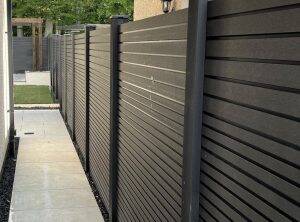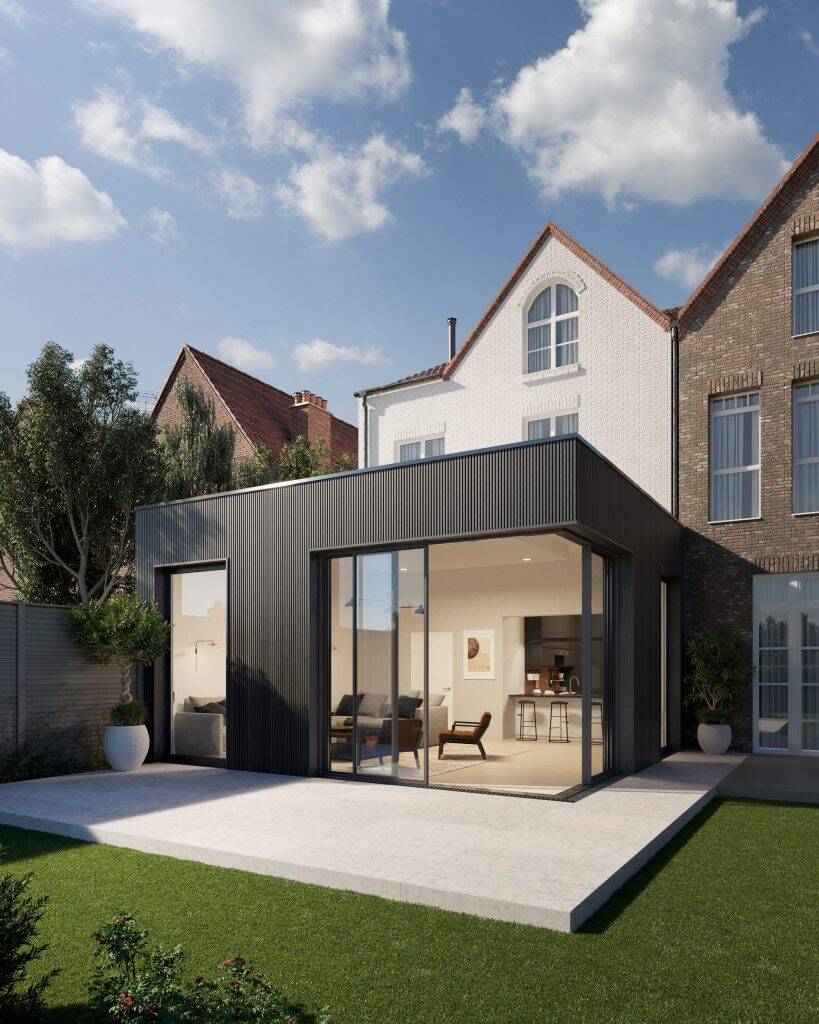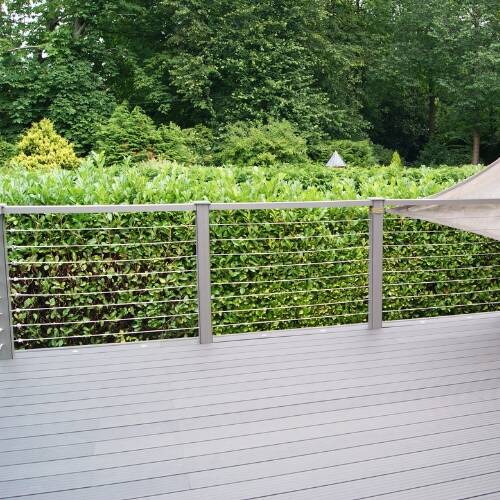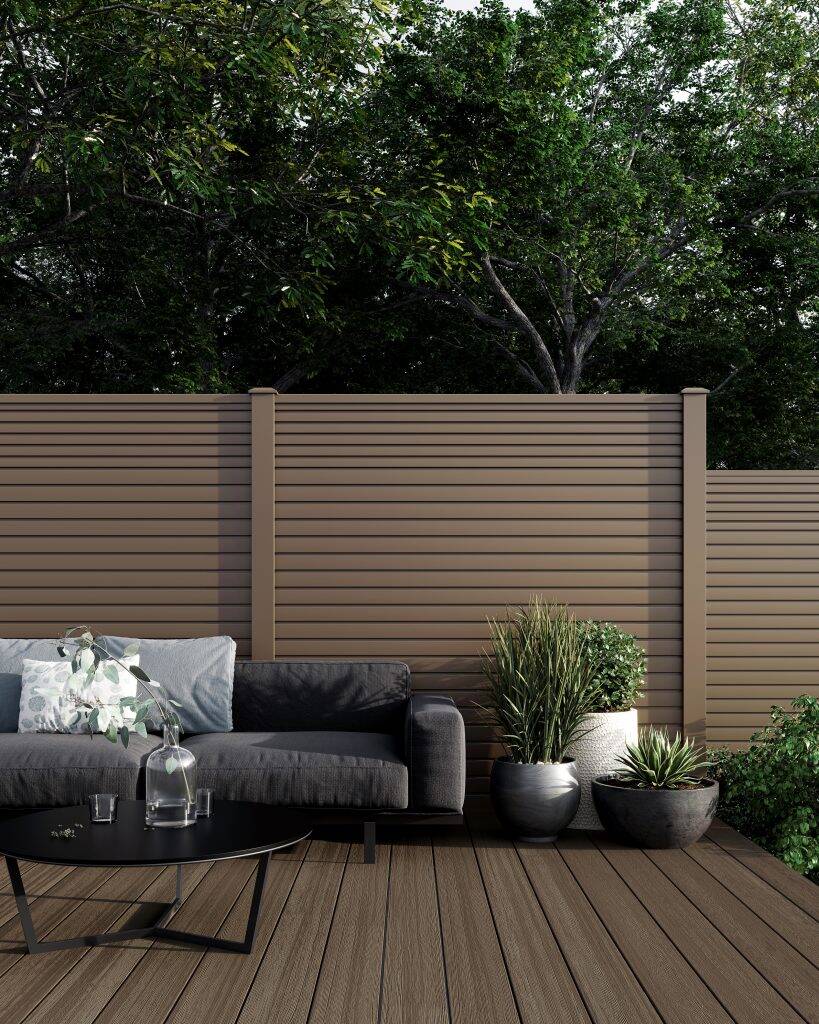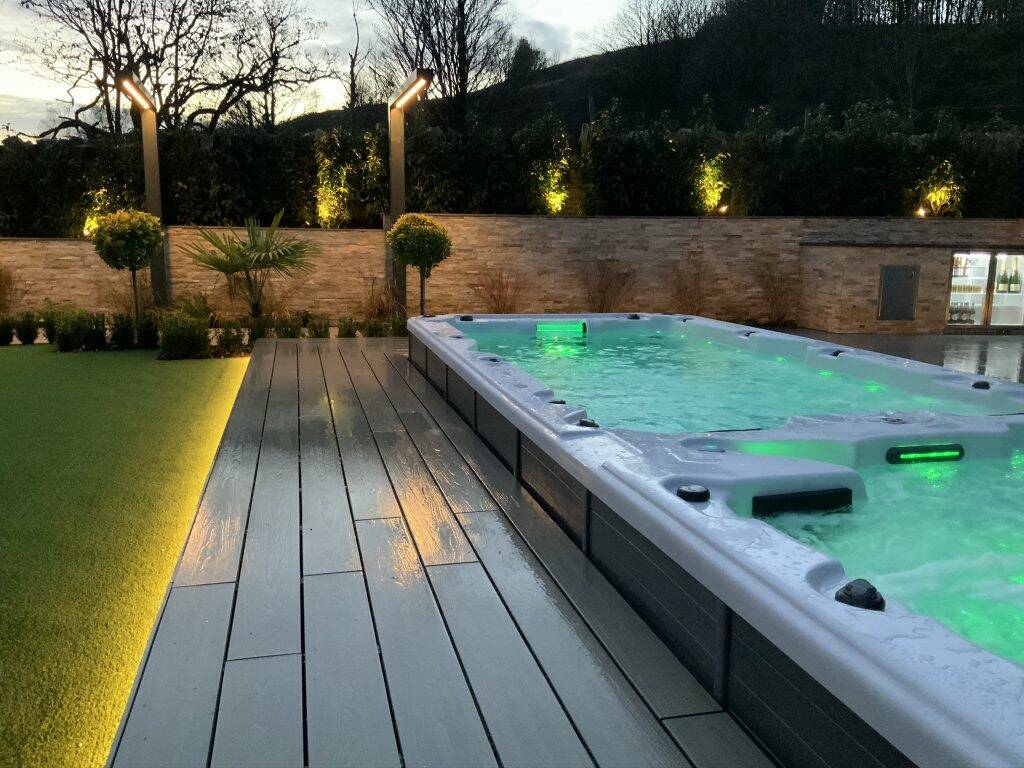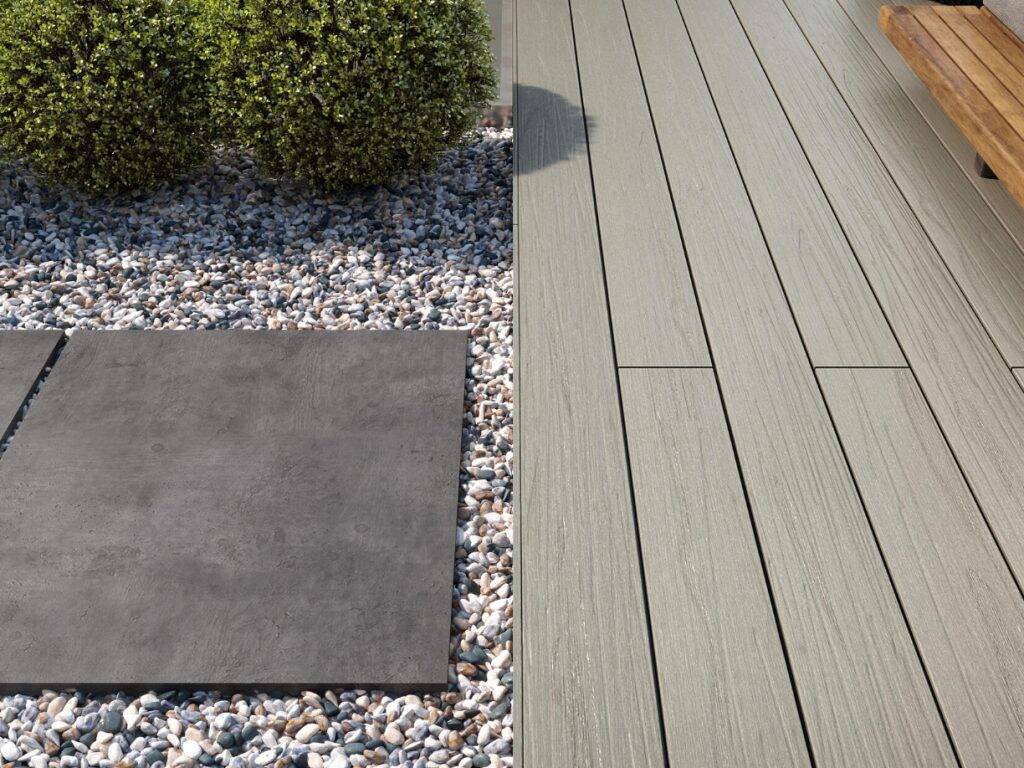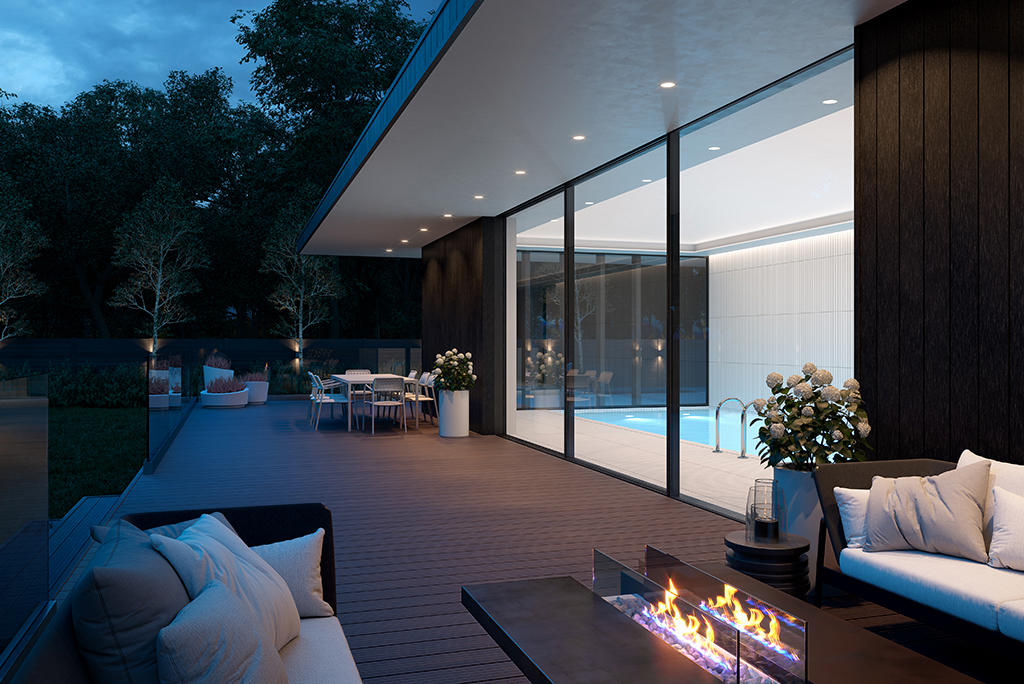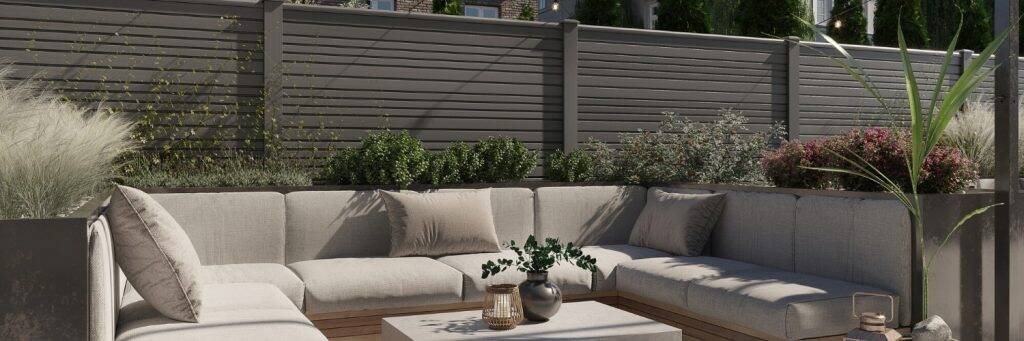
Composite cladding can last for several decades when correctly installed and maintained. Many composite cladding products come with warranties of 20–25 years, although their actual lifespan depends on the materials used, environmental conditions and quality of installation.
Compared with traditional timber cladding, composite materials generally require less maintenance and offer greater resistance to moisture-related deterioration.
So, what determines how long composite cladding lasts, and how does it compare with other cladding materials?
What Is Composite Cladding Made From?
Composite cladding is made from Wood Plastic Composite (WPC), which is a building material that is designed to look just like wood, yet is far more durable.
Our composite cladding boards are created with a mixture of recycled wood fibre, recycled plastic, colourants, and some bonding materials. This mixture is heated to an extreme temperature, extruded into the shape of cladding boards, embossed, and then left to cool.
There are also two different types of wood-plastic composite cladding boards, as you can purchase either uncapped composite cladding boards or capped composite cladding boards.
The difference is that the capped boards have an extra layer of polymer plastic that protects them from the elements, fading, scratching, and staining better than uncapped boards do.
How Long Does Composite Cladding Last Compared To Other Materials?
The lifespan of cladding depends on the material, installation quality, maintenance and exposure to the elements.
Timber cladding: Depending on the species, treatment and maintenance, timber cladding can last for several decades. Some hardwoods and naturally durable softwoods can achieve particularly long service lives when correctly installed.
Composite cladding: Quality composite cladding is designed for long-term outdoor use. Ecoscape’s composite cladding comes with a 25-year warranty, although a warranty period should not be confused with the product’s maximum lifespan.
uPVC cladding: uPVC can also provide decades of service, although its appearance and performance depend on material quality, UV exposure and installation conditions.
Composite cladding’s main advantage is its combination of durability, moisture resistance and relatively low maintenance requirements.
Why Does Composite Cladding Last Longer Than Wood Cladding?
The use of recycled plastic in composite cladding allows it to withstand the elements far better than timber cladding, as wood is still a natural material whether it is treated or not.
The plastic component helps reduce moisture absorption and provides greater resistance to decay than untreated timber. However, composite cladding is not completely immune to fading, scratching or distortion. Its long-term performance depends on the board’s construction, protective coating, installation and exposure to the elements.
Why Does Capped Composite Cladding Last Longer Than Uncapped Composite Cladding?
As stated above, the extra layer of plastic surrounding capped composite cladding increases the lifespan of the product, making it more durable than uncapped composite cladding. This extra plastic layer provides extra protection against scratching, staining, and the elements.
Uncapped composite cladding is still far more durable than normal timber cladding boards, as it still has the inclusion of recycled materials like plastic that protects it from the elements far better than wood can.
FAQS
Does composite cladding fade?
Composite cladding can experience some colour change over time, although the amount depends on the type of board and its exposure to sunlight and weather.
Traditional uncapped wood-plastic composite boards may undergo an initial weathering period as naturally occurring compounds in the wood fibres are exposed to moisture and UV light. This can result in some lightening of the original colour.
Capped composite cladding has an additional protective polymer layer designed to provide greater resistance to UV exposure, staining and weathering.
Ecoscape’s Forma composite cladding uses a protective capped construction and is designed for long-term colour stability, with fade resistance covered by its applicable warranty terms.
Although no outdoor material should be assumed to remain completely unchanged in every condition, quality capped composite cladding is designed to retain its appearance over many years without painting or staining.
For the best long-term results, follow the manufacturer’s installation and cleaning recommendations.
Final Thoughts
Composite cladding is designed to provide decades of service with relatively little maintenance compared with traditional timber.
Its actual lifespan depends on the quality of the material, correct installation and environmental exposure.
Choosing a suitable cladding system, following the manufacturer’s installation instructions and keeping the boards clean will help maintain their appearance and performance over time.