Yes, you can replace old wooden decking boards with composite decking, provided the existing supporting frame is structurally sound and suitable for the new boards. However, you shouldn’t simply lay composite decking directly over deteriorating timber boards.
Before reusing an existing deck structure, it’s important to check the condition of the joists, foundations and supporting framework. Rot, inadequate support spacing or trapped moisture could affect the stability and lifespan of the replacement decking.
This guide explains when you can reuse an existing wooden deck structure, what to check beforehand and when a complete replacement is the better option.
Things To Consider Before You Install Composite Decking Over An Existing Wood Deck
So, we’ve established that it’s fine to install composite decking over existing wood decking. However, before you begin the installation process there are several important factors to consider.
Remember that the condition of the existing deck will directly impact the new composite deck that you lay on top of it. You’ll need to consider the amount of decay in the existing deck, how long it’s been in use and the type of wood that was used to build the existing deck.
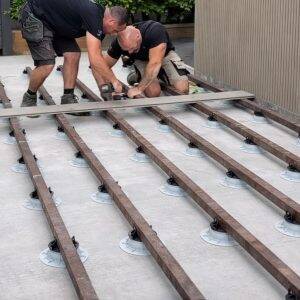
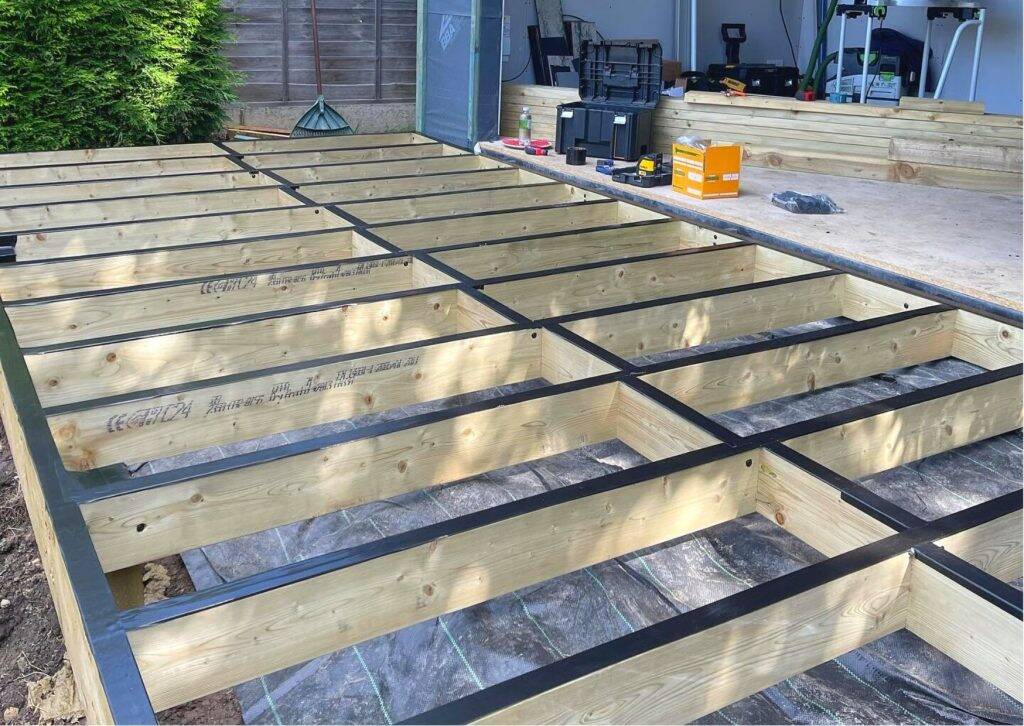
Another important factor is the distance between joists, our composite boards are recommended to be installed at 400mm centres. Some timber deck boards have bigger spans, so you may find you will need to add extra timbers to reduce the centres to 400mm.
Wooden deck rot
If the existing wood deck is very rotten then it is unlikely that you’ll be able to lay composite decking boards over the top of it. Composite decking is very rot-resistant but the substructure needed to support it may start to rot when exposed to a rotting wooden deck over time.
If the existing deck is rotting badly then this will lead to moisture being trapped underneath the new composite deck which will lead to further rotting.
Types of Wood
The type of timber used in your existing decking frame can influence its resistance to moisture and decay.
Naturally durable woods and properly treated structural timber may provide long-lasting support, but the condition of the existing frame matters more than the type of wood alone.
Before reusing any timber structure, check for rot, movement, damaged fixings and signs of deterioration. Even a frame made from durable timber may be unsuitable if it has been poorly maintained or exposed to prolonged moisture.
Existing wood decking replacement
If the wooden deck is too rotten and decayed then you will have to consider replacing it with a new composite deck rather than laying one on top of it.
An easy way to check the level of rot and decay in your wooden deck is to push into several wooden decking boards with a screwdriver. If there are many areas where the wood is soft and pushes in easily, then it will most likely need to be replaced.
If you lay a composite deck over a very rotten wood deck then the composite deck boards and the substructure may also start to rot. This could lead to the composite decking boards collapsing at some stage.
How To Install Composite Decking Over An Existing Wood Deck
Installing composite decking over existing wooden decks is fairly straightforward. However, you need to take the time to make sure that you do it correctly to avoid any issues further down the line.
Before you begin, make sure that your wooden deck is clear of any obstructions such as garden furniture. You will also need to remove your deck railings balusters before you get started.
Then, follow the steps below to safely and effectively install composite decking over the wood deck.
Step 1
Firstly, use a pry bar and remove the boards from your old wooden deck. You can then take some of these wood deck boards and use them to create a temporary block line.
Once you’ve done this, carry out a thorough inspection of the wood deck framing and check for rot. If you notice significant rotting in any areas of the frame then this will need to be repaired or replaced before you go any further.
If there are any sections of the framing which are weak or wobbly then support them with additional framing before you continue.
Step 2
The next step is to use a high-quality wood preservative to treat any of the cut ends on your wood deck frame. This is to prevent them from rotting in the future once they’ve been covered by the composite decking.
Then, use joist protection tape to cover up any holes from screws or nails in the pre-existing wood decking. This is done to stop water from gathering in the holes which would lead to the formation of rot and mould.
Fitting Composite Decking to an Existing Timber Frame
Once the old decking boards have been removed and the existing timber frame has been inspected, you can determine whether it’s suitable for supporting the replacement composite decking.
The frame must be structurally sound, with appropriate joist spacing, ventilation and drainage for the chosen decking system. Additional supports or alterations may be necessary if the existing framework doesn’t meet the manufacturer’s requirements.
If the frame is suitable, the composite boards can be fitted using the recommended fixings and installation methods.
For detailed instructions on cutting, positioning and fixing composite boards, refer to Ecoscape’s How to Install Composite Decking guide.
You can also find advice on the finishing details in our composite decking edging guide.
Pros and Cons of Reusing an Existing Wooden Deck Frame
Reusing an existing timber subframe can save time and money, but only if it’s in sufficiently good condition.
Advantages:
- Less groundwork: A suitable existing frame may eliminate the need to construct a completely new supporting structure.
- Lower costs: Reusing sound joists and foundations can reduce material and labour expenses.
- Less waste: Retaining usable structural timber avoids unnecessarily disposing of materials.
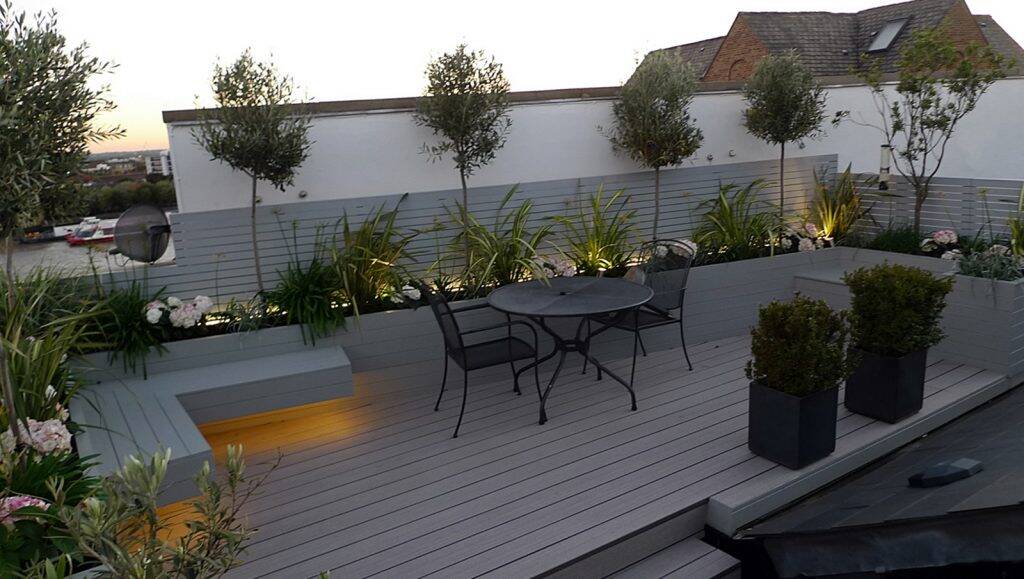
- Updated appearance: Replacing worn timber boards with composite decking can refresh the deck without rebuilding everything.
Disadvantages:
- Hidden deterioration: Rot or weakened connections may not be immediately visible.
- Unsuitable joist spacing: Existing timber framing may need adapting to meet composite decking requirements.
- Remaining lifespan: An older timber subframe may deteriorate before the new composite boards reach the end of their expected service life.
- Moisture problems: Poor drainage or ventilation can accelerate deterioration of the supporting timber.
Our advice: Only reuse an existing timber frame when its condition and suitability have been properly assessed. If the structure is deteriorating or unsuitable, replacing it is generally the better long-term option.
Final Thoughts
You can replace wooden decking boards with composite decking without necessarily replacing the entire supporting structure. However, the existing timber frame must be structurally sound and suitable for the new decking system.
Check for rot, damaged joists, inadequate spacing and drainage problems before deciding whether to reuse the frame.
If the existing structure is in good condition, retaining it may save time, money and unnecessary groundwork. If it’s deteriorating, replacing the supporting structure will usually provide a better foundation for your new composite decking.