Are you considering changing the look of your home or adding an extension to it, such as a garage, garden shed or sunroom? Then adding exterior cladding to your house’s facade might be the way to go.
House cladding is a fantastic way to change, improve or protect your home’s exterior in a more contemporary way. In this article, we will provide you with all you need to know about cladding and introduce the best alternatives for exterior cladding on the market!
What is Cladding?
Cladding describes the exterior layer of a house or other building structure and usually comes in the form of boards or panels which are ready to be installed.
Especially in the UK, where the British weather does take a toll on the exterior of our homes and where insulation does play an important role, using cladding is a commonly used practice to protect your house from the elements while keeping the heat in as well.
Some further benefits of cladding are:
- Covers unsightly walls.
- Improves property value.
- Can be more low maintenance than normal walls (depending on the materials).
- Protects the home against exterior influences of the elements.
- Easy to change up your home’s look with a range of styles and colours available.
Cladding (can actually be either exterior cladding or even interior) is a form of wall cladding with traditional materials such as stone or wood cladding. However, in recent years, the cladding sector has branched out and now offers a wide variety of synthetically made or combined materials that can provide a very modern (or even traditional) look to your home’s outer walls.
Cladding has now evolved into a lightweight alternative supporting structure instead of the main feature that keeps your home stable and fully insulated.
Now, more than ever, it has become a design feature of British homes instead of acting as protection against the elements, which means there is a plethora of design possibilities, thanks to a choice of a variety of materials in all sorts of colours and finishes.
The Best Cladding Alternatives
The following part will walk you through the most popular cladding alternatives on the British market, from some more traditional timber cladding to more modern options, such as composite products for your house cladding.
Composite Cladding
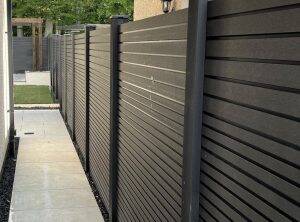
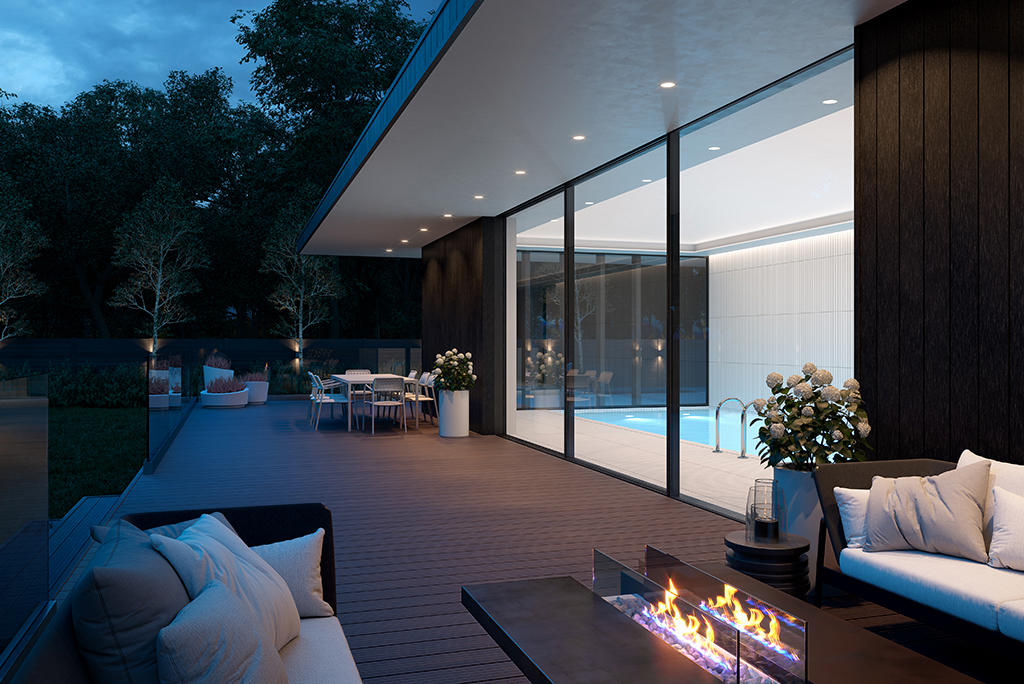
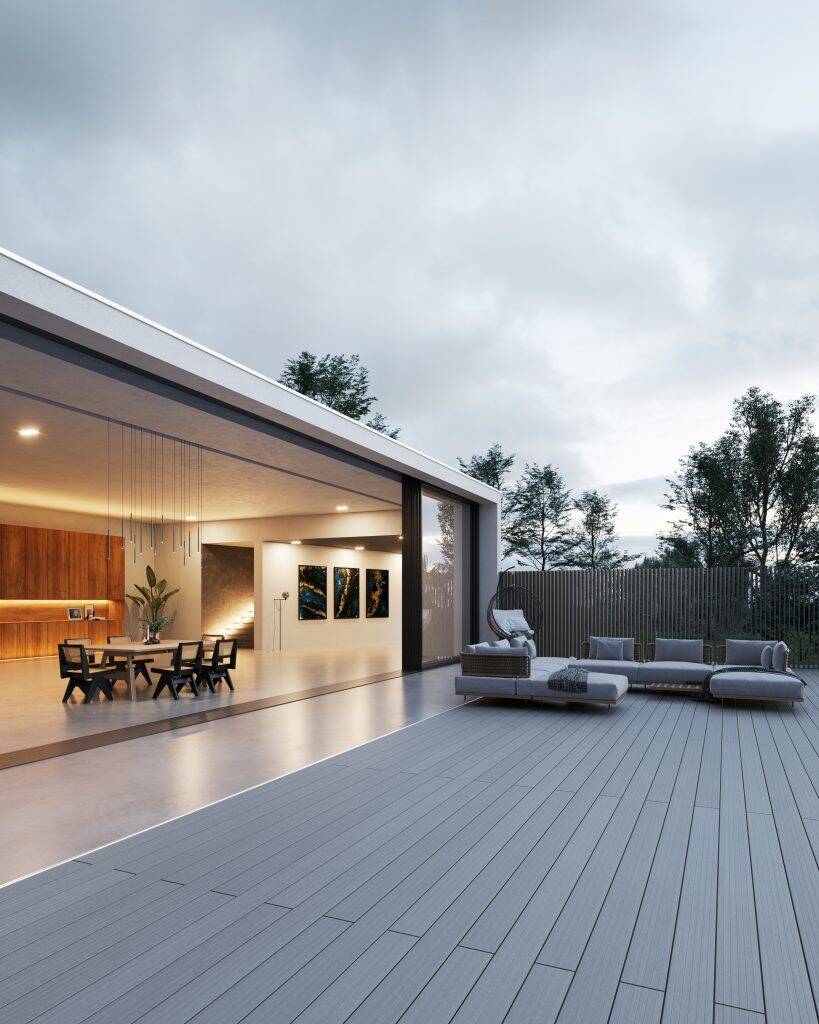
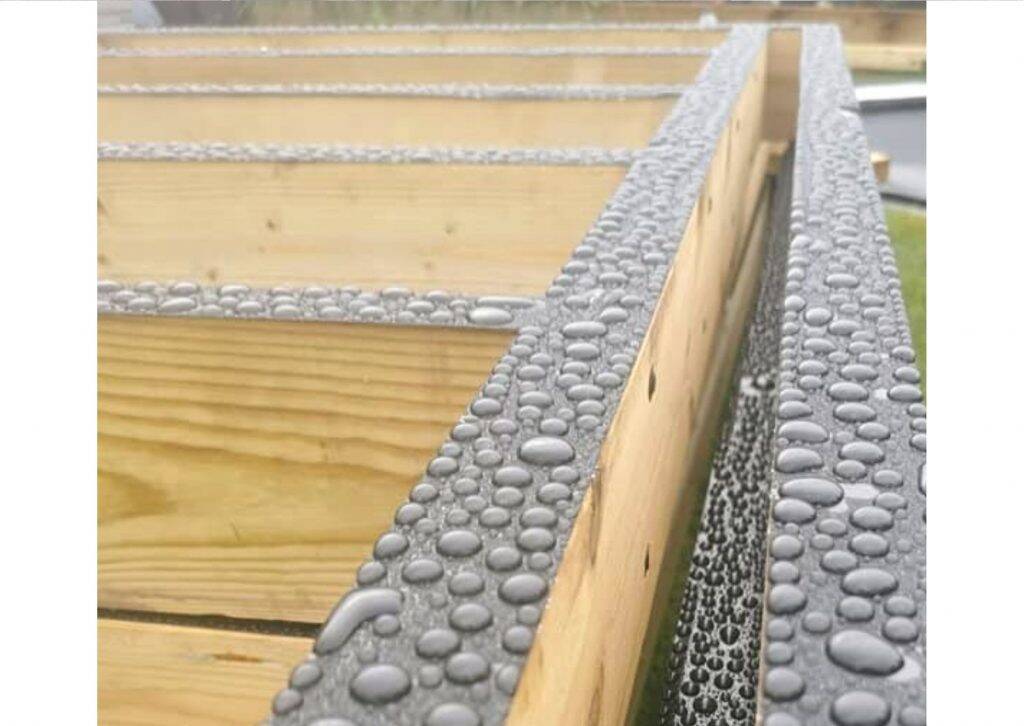
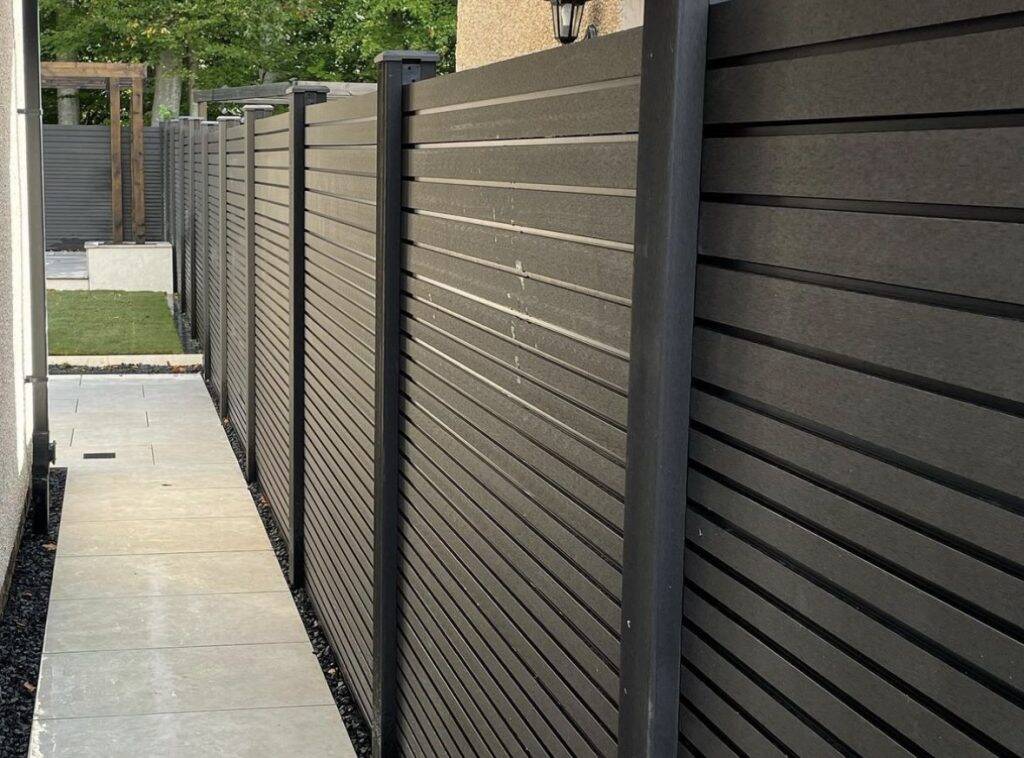
Composite Cladding such as Ecoscapes is a high-quality house cladding alternative made of wood and plastic, which offers a wood-inspired aesthetic with more durability properties than many other wall cladding options.
Our composite cladding is made from 95% recycled materials, consisting of recycled polythene from plastic bottles or bags, as well as reclaimed wood fibres in the form of wood chips or sawdust from FSC-certified timber.
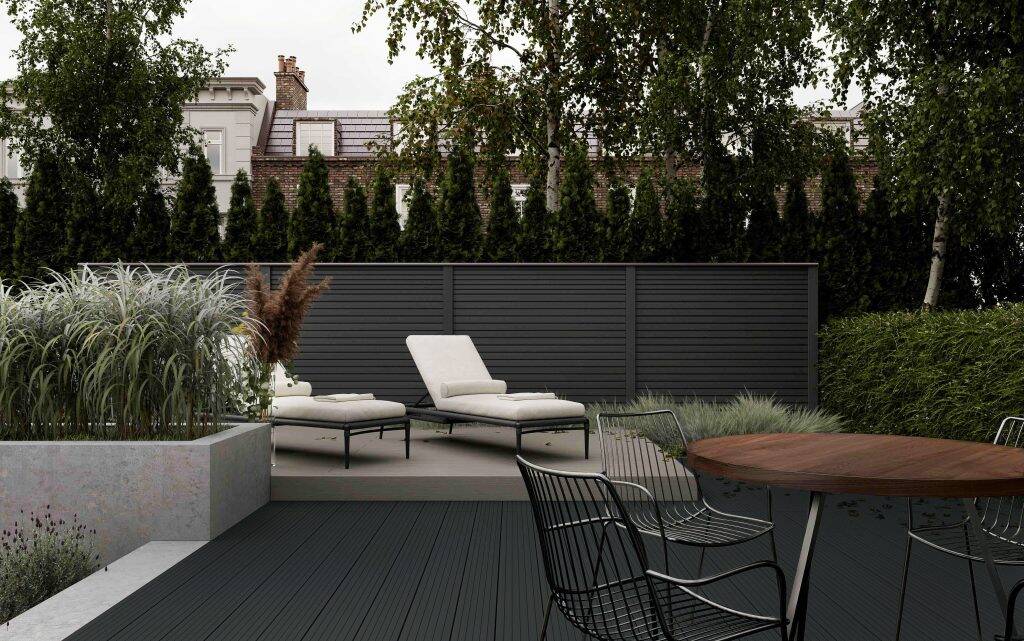
Composite usually comes in a wide variety of colours and finishes, which can make your wall cladding add a modern or more traditional touch to your home, depending on your preferences. On top of that, you can fix your cladding boards vertically, horizontally or even diagonally, depending on the look you are trying to achieve.
Composite cladding prices vary depending on the board profile, finish and coverage area. For a detailed breakdown of current materials and installation costs, see our guide to how expensive composite cladding is.
Pros of Composite:
- Long-lasting
- Weather resistant
- Water-resistant
- Can form part of a well-designed external wall system.
- Low maintenance, with no routine painting, staining or sealing required.
- Resistant to rot and splintering, although incorrect installation can contribute to distortion.
- Eco friendly
- Easy to install
- UV resistant
- Contemporary and sophisticated exterior cladding option
Cons of Composite:
- More pricey than traditional cladding boards such as wood
- Can lose colour if you buy cheap options
Timber Cladding
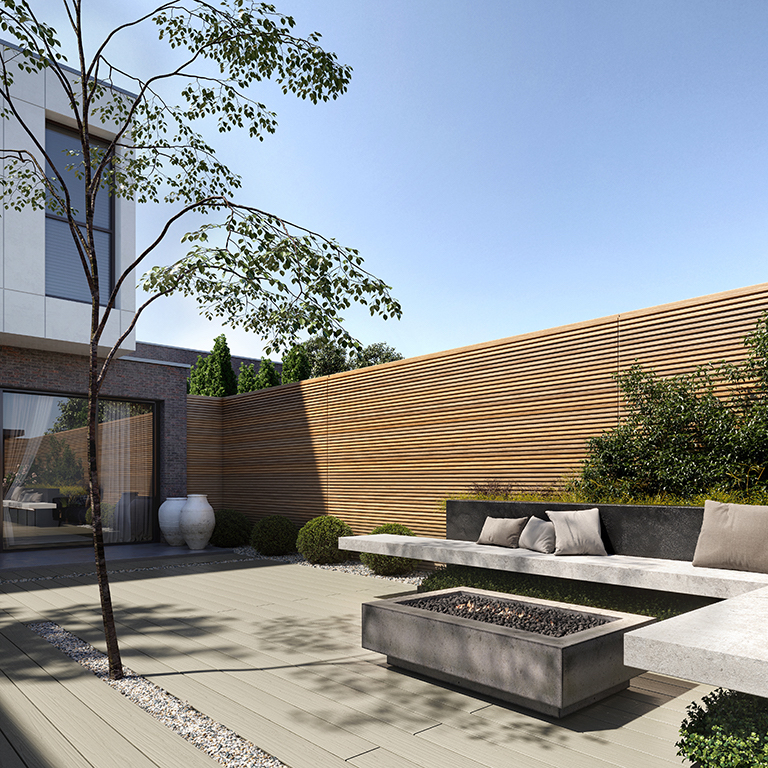
Wooden exterior cladding provides a more traditional and rural appearance to your home or building. Timber cladding can be made from either soft or hardwood in different shades and shapes, such as tiles, planks, shingles or boards.
Popular softwood options are usually larch, red cedar or douglas fir, while the preferred hardwood options are chestnut, oak or the very high-end teak.
The costs of timber cladding change depending on the material and supplier you use. You can end up paying anything from about £40 per square metre up to about £100 if you end up going for a very rare and high-quality timber.
You should always make sure, however, that your timber cladding comes from sustainably sourced wood, ideally with FSC certification and a guarantee of about 15 – 25 years.
Pros of Wood Cladding:
- Natural Materials
- Effective heat and sound insulation
- Sustainable (if from certified sources)
- Long-lasting with the right care
- Creates a warm atmosphere
Cons of Wood Cladding:
- Some timber species and finishes require periodic painting, staining or other protective treatments.
- Weathers easily
- Can warp or splinter
- Needs to be installed correctly (not as a DIY project)
Brick or Stone Cladding
Brick is probably one of the oldest materials to be used for external cladding, as it is a durable and structurally sound option with high weather resistance.
Bricks can come in limestone, sandstone or granite options, as well as cement bricks. There is a plethora of options available, which makes bricks quite a favoured exterior wall cladding option thanks to versatility.
Usually, this form of cladding can be installed for anything from £30 to £120 per sqm, depending on whether you decide to go for the cheap cement option or into a rare stone brick style.
Stone cladding does weather over time, which needs to be taken into account.
Pros of Brick Cladding:
- Provide fire protection
- Offer thermal insulation
- Durable
- Weatherproof
- Low maintenance
- Sustainable (recyclable)
- Design flexibility thanks to many colour, texture and size options
Cons of Brick Cladding:
- Prone to frost damage
- Heavy to work with
- Stone bricks can weather over time
UPVC Cladding
UPVC, PVC or PVCu (made from Polyvinyl Chloride) is a lightweight alternative to the exterior cladding that often comes in panels which are installed with a tongue and groove system. PVC panels come in a variety of sizes and colours and can give your home a contemporary look.
You can expect this plastic cladding alternative to cost you about £30 per square metre; however, make sure that you do not end up buying low-quality options as they are prone to warping, fading, and cracking over time.
Pros of PVC Cladding:
- Variety of styles and colours (can even have a stone or wood-inspired appearance).
- UV resistant
- Not susceptible to rot or splintering
- Low maintenance
- Cost-effective
- Flexible
Cons of PVC Cladding
- Synthetic materials
- Big eco-impact
- Can warp or break if low quality
Metal cladding
Whether you go with copper, steel, zinc or aluminium, metal cladding boards are a modern take on traditional cladding and can come in a mind-boggling variety of styles and finishes.
Depending on your taste, you can get shined, painted, powder coated, and even aged metal boards – the options are basically endless. The way in which your metal boards are joined and shaped will also have an effect on the look of your home.
Steel and aluminium are more affordable than zinc or copper, which lie at the top end of the price scale for cladding. You will be likely to get a steel or aluminium exterior wall cladding for about £35 per square metre.
Pros of Metal Cladding
- Longevity and durability
- Resistant to chipping, flaking or splintering
- Certain metal cladding systems offer high levels of fire performance, depending on their materials, coatings and tested construction.
- Low maintenance
- Lightweight
Cons of Metal Cladding:
- Potential of bimetallic corrosion (copper changing colours, for instance)
- Potential of rusting
- Prone to enhance noise (heavy rainfall or hail)
- Can warp or dent in extreme weather
Fibre-Cement Cladding
Fibre-cement cladding is a versatile mix of fibre, cellulose, cement and fillers that can be formed into planks, panels or small tiles that are either already coloured or get painted after the manufacturing process. Otherwise, without any colour treatment, you will receive natural grey sheets which can be treated to achieve slate or woodgrain effects.
You can expect to pay about £60 per square metre without an instalment.
Due to the cement in the mix, this cladding alternative is definitely heavier than PVCu or timber but still on the lighter end of the spectrum of cladding alternatives.
Pros of Fibre-Cement Cladding:
- Light-weight
- Easy to install
- Long-life
- Low maintenance
- Versatile in colour and styles
Cons of Fibre-Cement Cladding:
- Heavier than some lightweight cladding alternatives.
- Cutting and installation may require specialist tools and appropriate dust controls.
- Typically provides limited insulation on its own, so thermal performance depends on the complete wall system.
- Cement production contributes to its environmental impact, although sustainability varies between products.
Read more on what can happen if you choose cheap composite in our other blog article, “Why you shouldn’t buy cheap composite“.
FAQs
Now that you have a better understanding of the various options that are out there when it comes to cladding material for your home, here are some more informative facts on cladding materials.
Do I need planning permission to install cladding?
Generally, you do not require planning permission to add wall cladding to your house. However, if you do happen to live in one of the following situations, you might require to obtain permission:
- Listed Building
- AONB (area of outstanding natural beauty)
- National Parks and Conservation Areas
It is best to always educate yourself about your local laws and building regulations in any case.
On top of that, if you plan to add some cladding to your home and have neighbours nearby, it is always a decent gesture to let them know about your plans as it might impact their homes as well.
What is the best cladding alternative?
The best cladding material alternative is the one that works for your taste, home and bank account, as well as the environment you are living in (weather-wise).
We believe that composite is the best cladding alternative on offer as its key advantage is the increased durability while also working as an excellent insulator and coming with a sleek finish, no matter what look you are going for.
What are the cheapest cladding options?
Basic uPVC and some softwood cladding products are often among the more affordable exterior cladding options.
However, prices vary depending on the material, board profile, finish and supplier. Aluminium, composite and premium timber products can have considerably different costs.
When comparing options, consider the complete installed price, including fixings, supporting materials and labour, rather than the cost per square metre alone.
The cheapest initial option isn’t necessarily the best long-term value.
What is the most environmentally friendly cladding option?
When it comes to sustainability, going with natural materials such as natural stone or wood is probably the first instinct of most people. Be wary, however, that the wood you are using for your cladding comes from FSC-certified sources and the stone cladding has been sourced with human rights in mind and is socially, economically as well as environmentally sustainable.
Our composite material is extremely sustainable because it uses almost exclusively recycled materials, which prevent existing plastic from entering a landfill or the oceans and reclaims wood fired which would otherwise have gone to waste as well.
Final Thoughts
If you are currently considering adding wall cladding to your existing homes, there are plenty of options available to UK homeowners, but not all of the above-mentioned materials are ideal for you and your home’s needs.
Consider Ecoscape’s composite cladding panels to enhance your home’s exterior today and benefit from our long-lasting and maintenance-free products for many years to come!