Screwing directly through composite cladding boards can cause damage, restrict natural expansion and contraction, and potentially affect the manufacturer’s warranty.
However, this doesn’t mean screws cannot be used when installing composite cladding. Screws are commonly used to secure approved fixing clips, trims and supporting components.
The important distinction is where screws are positioned and whether the fixing method is approved for the particular cladding system.
Different composite cladding systems use different fixing methods, so understanding the requirements of the particular board is important before installation.
Screwing Down Composite Cladding Boards
Composite cladding boards expand and contract as temperatures change. Fixing screws directly through a board without allowing for this movement can create unnecessary pressure around the fixing points.
Depending on the board construction and installation method, this may lead to cracking, distortion or damage to the protective surface.
Some composite cladding systems permit direct fixing in specified locations, while others require concealed clips or specialist fixing rails.
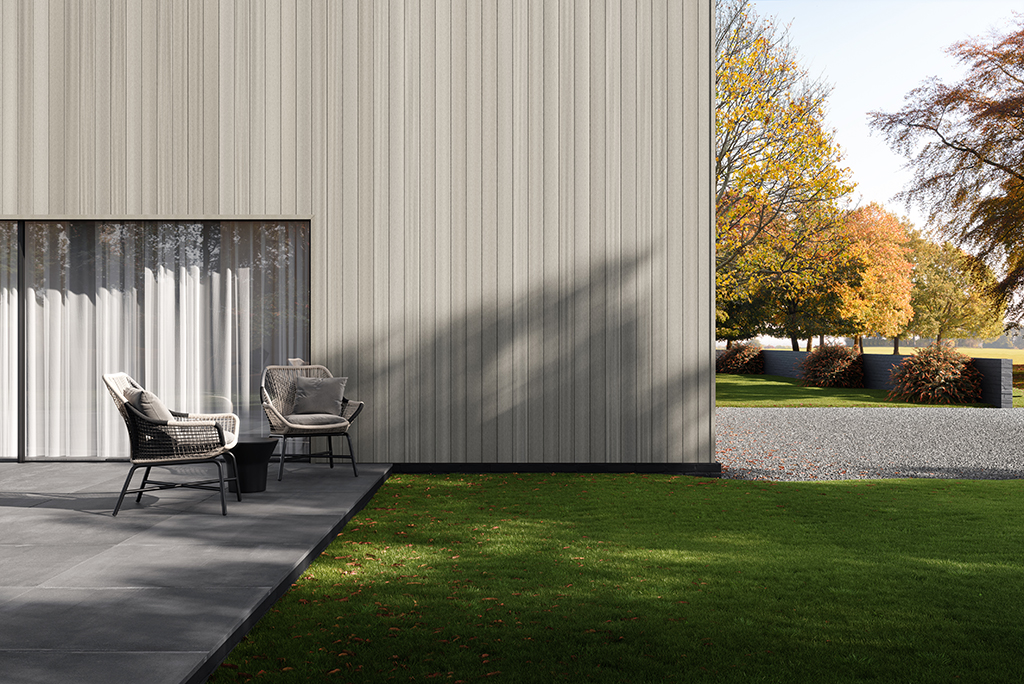
Ecoscape’s Forma Panel and Forma Slatted systems use concealed fixing clips to secure the boards to their supporting framework.
For detailed instructions, see our composite cladding installation guide.
Why You Should Not Screw Down Composite Cladding Boards
As mentioned above, while screwing into your composite cladding boards may seem like a quick, cheap way to install your composite cladding, the products are generally not designed to be screwed into, so you could run into some complications.
It can void your warranty
Our composite cladding boards are generally not designed to be screwed into due to the way the composite mixture is made. Wood Plastic Composite is made using wood fibres, recycled plastic, bonding agents, and some colourants.
This mixture is then heated and extruded into board shapes, embossed, and then cooled. This means that composite cladding boards are made with a mould, so their shape is generally not meant to be compromised by screws.
If you screw into your composite cladding boards, you could end up damaging them. If this is the case, our warranty will generally not cover you, as this is not the way that Ecoscape intended for our products to be installed.
Instead, we will supply you with hidden fasteners (that they call hidden cladding clips), the boards are installed and fixed every 500mm, the benefits of using the cladding clip is the clip allows expansion and contraction of the cladding board as you’re not directly screwing through it. Please see our cladding installation guide for further details.
These fasteners are specifically designed to work with the supplied products, so composite screws will be a waste of both your time and your money.
It can damage your cladding boards
Composite cladding is made from a mould, as mentioned above, so screwing into them could cause them to crack or weaken.
Screwing into your composite cladding will make your boards unable to expand and contract as effectively, which is what composite cladding does when exposed to hot or cold weather.
If the composite boards are unable to expand and contract, it could cause them to push against one another, which could eventually damage the structural integrity of the entire area that you have cladded.
Composite cladding is supposed to be low maintenance, but screwing into it can be an expensive and time-consuming mistake to make.
Alternative Fastening Methods
As already stated above, there is often no need to even worry about buying composite screws when installing your composite cladding, as Ecoscape will provide you with all of the materials you will need to fasten your cladding.
We also recommend fixing your cladding to your joists in this way.
Cladding clips
Concealed cladding clips secure compatible composite boards to the supporting framework without requiring screws to pass directly through the visible board surface.
When installed correctly, these clips provide several advantages:
- Secure fixing: Approved clips hold compatible cladding boards in position.
- Thermal movement: The fixing system accommodates the expansion and contraction allowed for in the manufacturer’s design.
- Reduced risk of damage: Avoiding unnecessary screw holes helps protect the board surface.
- Neater appearance: Concealed fixings create a finish without visible screw heads.
- System compatibility: Manufacturer-approved clips are designed to work with the specified board profiles.
However, clips do not automatically prevent warping or installation problems. Correct spacing, support and fixing methods remain essential.
For more information about temperature-related movement, read Does Composite Cladding Expand and Contract?.
Frequently Asked Questions
Can You Screw Directly Into Composite Cladding?
Some composite cladding systems permit direct fixing in specified locations, but others require concealed clips or specialist fixing systems.
Screwing directly through boards without following the manufacturer’s instructions may cause damage or restrict thermal movement.
Always check the installation requirements for the particular cladding product.
What Screws Should You Use for Composite Cladding?
The correct screws depend on the cladding system, supporting structure and component being secured.
Manufacturer-approved screws may be required for fixing clips, trims or supporting components.
Stainless steel or other corrosion-resistant fixings may be appropriate for outdoor use, but their suitability depends on the manufacturer’s specifications and environmental conditions.
Can Screwing Composite Cladding Cause Warping?
Incorrectly positioned screws can restrict the natural movement of composite cladding boards.
When boards expand and contract, restricted movement may create pressure around fixing points, potentially causing distortion.
However, correctly installed, manufacturer-approved fixing systems are designed to accommodate normal board movement.
For a more detailed explanation, see Does Composite Cladding Warp?.
Final Thoughts
Screwing directly through composite cladding boards can cause damage when the fixing method restricts thermal movement or is unsuitable for the material.
However, screws remain an important part of many composite cladding installation systems, particularly when securing concealed clips and finishing components.
The safest approach is to follow the manufacturer’s approved fixing method for the specific cladding system. This helps protect the boards, maintain their intended performance and avoid potential warranty problems.