Composite cladding is highly resistant to warping compared with traditional timber cladding. Its combination of wood fibres and plastic polymers helps reduce moisture absorption and maintain dimensional stability.
However, composite cladding is not completely immune to distortion. Incorrect installation, particularly where natural expansion and contraction are restricted, can cause boards to bow or change shape.
Understanding what causes warping and how to prevent it helps ensure composite cladding performs as intended.
What Is Warping?
Warping occurs when materials bend out of shape. As the material gets distorted, it loses structure and eventually gets damaged.
Warping is caused if any material, like a composite board, absorbs moisture or is exposed to extreme temperature changes.
Timber cladding is specifically prone to absorbing moisture and is also not resistant to temperature changes, which makes this material very prone to warping and distorting in shape. Wood cladding material is therefore at higher risk of cracking unless it is maintained regularly through sealing and painting.
What is Composite Cladding?
Composite cladding is a contemporary solution to traditional timber cladding or other cladding materials such as aluminium or UPVC. It has become very popular in recent years due to a plethora of benefits that it provides in comparison to other materials.
Composite cladding is made of polyethene from recycled plastic material and reclaimed wood fibre from recycled wood materials. Because of this composition and the way the material has been treated, composite cladding is very resistant to moisture.
Does Composite Warp?
Composite cladding is considerably less susceptible to moisture-related warping than traditional timber cladding.
Capped composite cladding features a protective polymer outer layer that helps limit moisture absorption and protect the underlying material.
However, composite boards still expand and contract as temperatures change. This movement is normal and does not automatically cause warping.
Problems can arise when boards are installed without sufficient clearance or when their natural movement is restricted by incorrect fixings.
For a detailed explanation of temperature-related movement, see our guide to composite cladding expansion and contraction.
How Can You Prevent Composite Cladding From Warping?
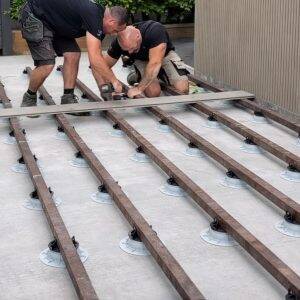
Correct installation is essential for preventing composite cladding from becoming distorted.
The main considerations are:
- Expansion gaps: Allow sufficient space for boards to expand and contract naturally.
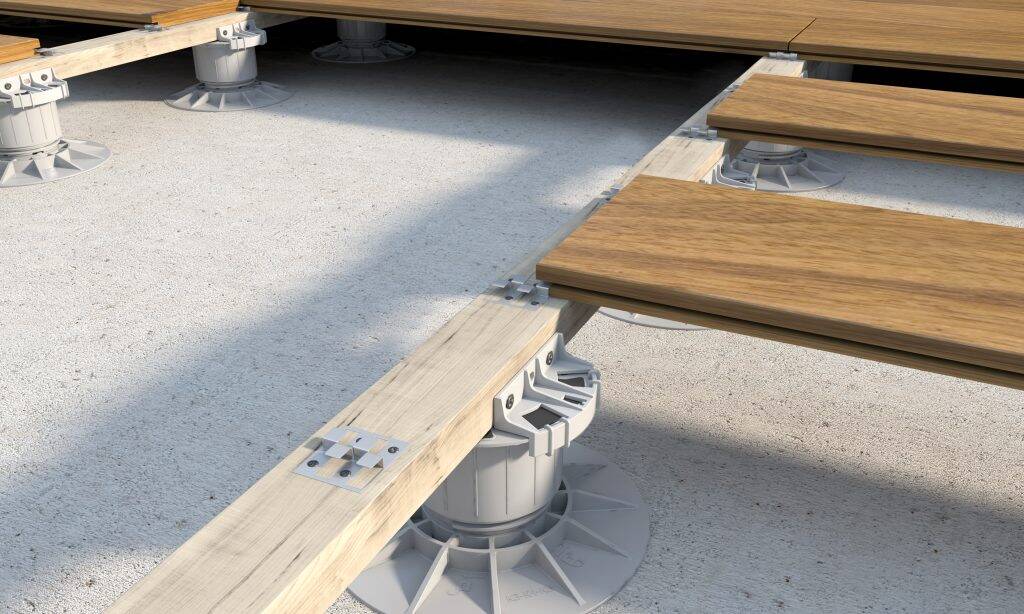
- Correct fixings: Use the manufacturer’s recommended clips and fixings to avoid restricting movement.
- Adequate support: Ensure battens are correctly positioned to support the cladding.
- Ventilation: Maintain the recommended cavity behind the boards to help manage moisture.
- Manufacturer’s instructions: Follow the specific spacing and fixing requirements for the cladding system.
For detailed fitting instructions, see our composite cladding installation guide.
FAQs
Can Composite Cladding Warp Over Time?
Although composite cladding is designed to resist warping, distortion remains possible if boards are incorrectly installed or their natural movement is restricted.
Unlike traditional timber, composite cladding is less susceptible to moisture-related changes in shape. However, correct installation remains important for long-term performance.
Following the manufacturer’s fixing instructions and allowing sufficient expansion gaps will help minimise the risk of warping.