The main advantages of composite decking are its low maintenance requirements, durability, resistance to rot and splintering, and long-lasting appearance. The main disadvantages are its higher initial cost compared with timber, the potential for boards to become hot in direct sunlight, and the fact that their colour cannot easily be changed once installed.
For many UK homeowners, composite decking offers an excellent alternative to timber, particularly for those who want an attractive outdoor space without regular staining, sealing or protective treatments.
At Ecoscape, we’ve developed and supplied a range of composite decking products and systems. Below, we explain the key benefits, the limitations worth considering and what makes composite decking a practical choice for British gardens.
Composite Decking Pros and Cons at a Glance
| Advantages | Disadvantages |
| Very low maintenance, with no regular staining or sealing | Higher initial cost than basic timber decking |
| Resistant to rot, decay and wood-boring insects | Darker boards can become hot in direct sunlight |
| Durable and less prone to splintering | Colour cannot normally be changed by painting or staining |
| Designed to withstand changing UK weather conditions | |
| Wide choice of colours and finishes | |
| Many products incorporate recycled materials | |
| Capped boards offer additional surface protection | |
| Reduced long-term maintenance requirements |
Composite decking’s greatest appeal is the combination of durability, appearance and convenience. With suitable installation and occasional cleaning, it can provide an attractive outdoor surface for many years.
What Are the Advantages of Composite Decking?
1. Very low maintenance without regular staining or sealing
One of the biggest benefits of composite decking is how little maintenance it requires compared with traditional timber.
Wooden decking may need periodic staining, sealing or protective treatments to preserve its condition and appearance. Composite decking doesn’t ordinarily require any of these. For most homeowners, upkeep involves removing leaves and debris and giving the surface an occasional clean.
After a wet winter, a thin film of green algae or dirt can develop, particularly in shaded areas. This is common on outdoor surfaces, including paving and natural stone, and doesn’t mean the composite boards themselves are deteriorating.
A clean with warm water, mild detergent and a soft brush is generally enough to refresh the decking for spring. For further guidance, read our article on how to clean composite decking.
The benefit is simple: less time maintaining your decking and more time enjoying your garden.
2. Durable and resistant to rot, splintering and insects
Composite decking combines wood fibres with polymers to create boards designed for prolonged outdoor exposure.
Unlike traditional timber, composite decking is highly resistant to rot, decay and damage from wood-boring insects. It is also considerably less prone to splitting and splintering. This makes it particularly suitable for family gardens, seating areas and outdoor spaces exposed to frequent use.
Good-quality composite decking can provide decades of service when correctly installed and maintained, although actual lifespan depends on the product, exposure and supporting structure.
Ecoscape offers composite decking products backed by long residential warranties, with the applicable terms depending on the selected range.
A durable board is only part of the equation. The quality of the supporting structure, fixings and drainage also contributes to the deck’s long-term performance.
3. Excellent resistance to British weather
The UK’s changing weather is one of the strongest reasons to consider composite decking.
Frequent rainfall, frost, summer sunshine and fluctuating temperatures all place demands on outdoor materials. Composite decking is manufactured to withstand these conditions while avoiding many of the moisture-related problems associated with timber.
Its resistance to rot is particularly useful in wet environments, while capped composite boards provide an additional protective layer against moisture penetration and staining. This makes composite decking suitable for gardens and outdoor living areas used throughout the year.
As with any decking installation, suitable drainage and ventilation are important to achieving reliable long-term performance.
4. Less prone to splintering, with slip-resistant finishes available
Composite decking offers practical benefits for gardens used by children, pets and visitors.
Its resistance to splintering helps maintain a comfortable surface underfoot, while many boards incorporate textured or grooved finishes designed to provide good grip. The level of slip resistance varies between products, so it’s worth checking the tested performance of the chosen board.
No outdoor decking is completely slip-proof. Wet leaves, algae and ice can affect grip regardless of the material. Keeping the surface clean and allowing water to drain effectively helps maintain safer conditions throughout the year.
5. Attractive colours and consistent finishes
Composite decking provides considerable flexibility when designing an outdoor space.
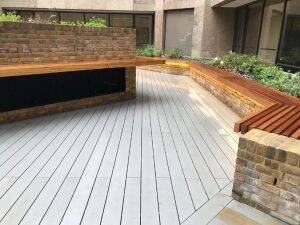
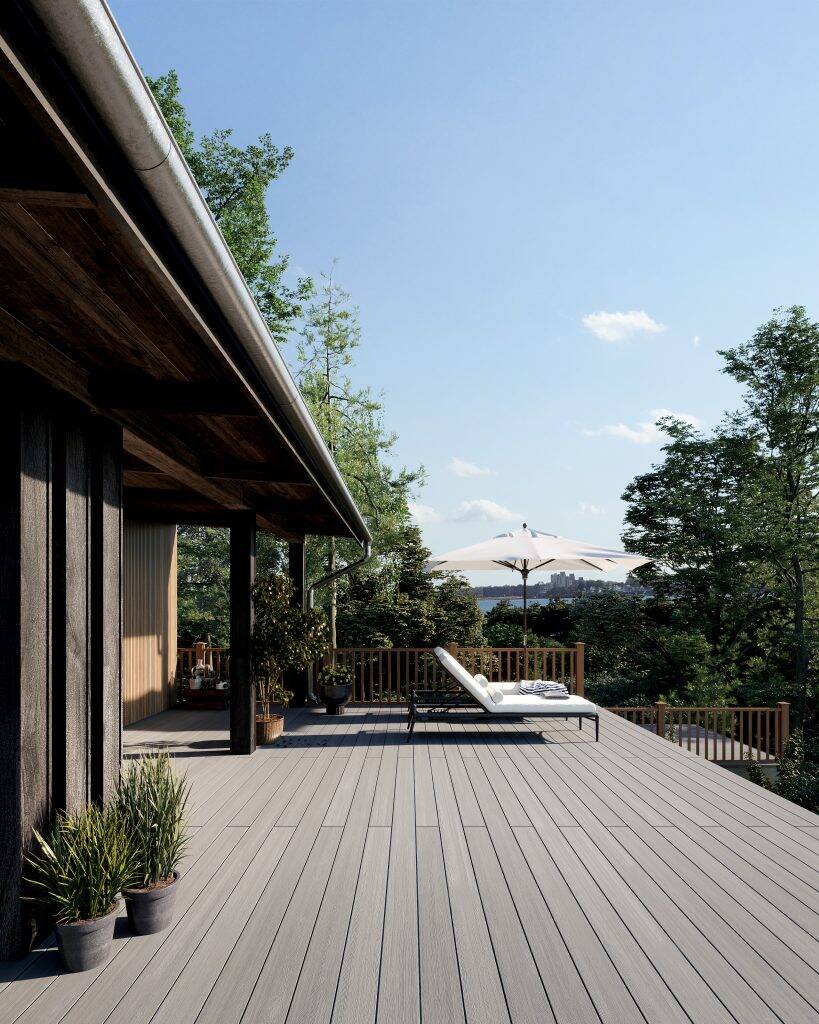
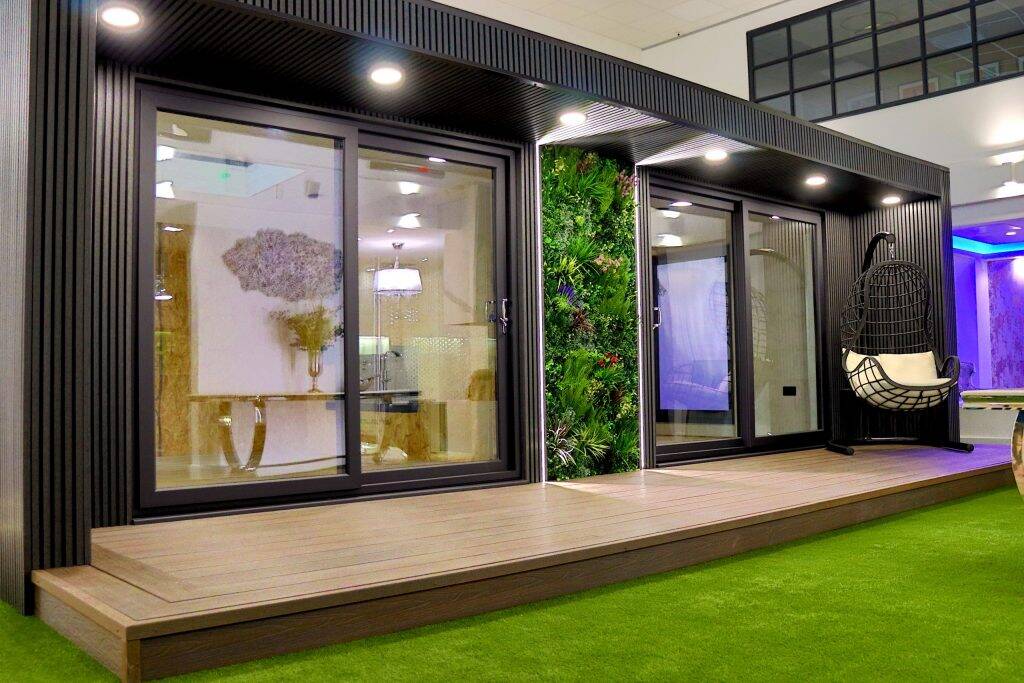
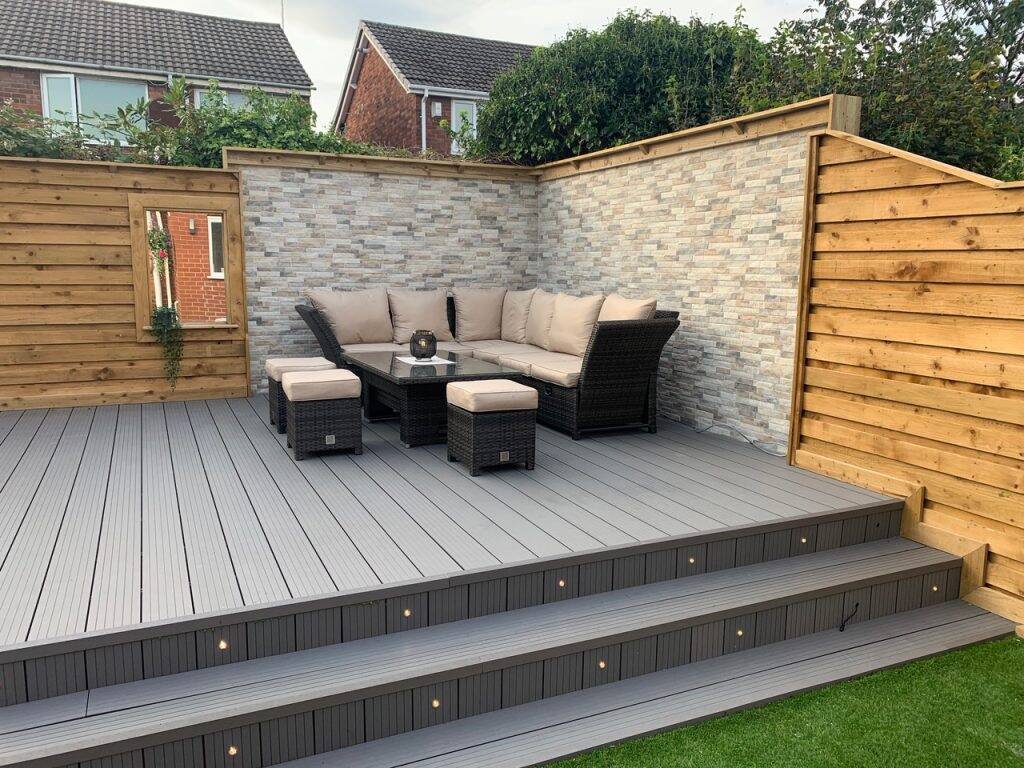
Boards are available in a variety of timber-effect finishes, textures and contemporary colours, from natural wood tones to modern greys and darker shades.
Unlike natural timber, where grain, knots and colour can vary considerably, composite decking offers a consistent appearance across the installation.
Many decking systems also use concealed fixings, creating a neat finish without visible screw heads. Capped composite products provide additional surface protection, helping maintain their appearance with minimal upkeep.
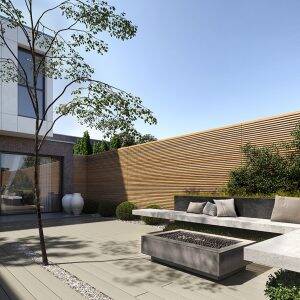
Whether you’re creating a traditional garden deck or a contemporary outdoor living area, the variety of available finishes makes it easier to achieve the desired look.
6. Long-term value and recycled materials
Although composite decking often costs more initially than pressure-treated softwood, its reduced maintenance requirements can provide savings over time.
Timber may require periodic treatments, staining and refinishing, while composite decking generally avoids these ongoing costs. For homeowners planning a long-term installation, this can make composite decking a worthwhile investment.
Many composite products also incorporate recycled plastics and reclaimed wood fibres. At Ecoscape, using recovered materials is an important part of our approach to developing composite products. This helps reduce demand for virgin resources and gives existing materials another practical use.
The overall environmental impact of decking also depends on manufacturing, transport, durability and eventual disposal, so recycled content should be considered as part of the wider picture.
What Are the Disadvantages of Composite Decking?
Composite decking offers numerous advantages, but there are three considerations worth understanding before choosing a product.
1. Higher initial cost than traditional timber
Composite decking generally costs more upfront than basic pressure-treated softwood decking. Premium capped products can cost more again because of their additional protective surface and manufacturing process. However, purchase price is only part of the overall cost.
Timber may require periodic protective treatments and refinishing, while composite decking largely avoids these expenses. Over the longer term, the reduced maintenance requirements can help offset the initial investment.
2. Darker boards can become hot in direct sunlight
Like timber, paving and other outdoor surfaces, composite decking absorbs heat when exposed to strong sunlight.
Darker boards tend to become hotter than lighter finishes and may feel uncomfortable underfoot during particularly warm weather. This is worth considering for south-facing gardens and areas with little shade.
Choosing a lighter colour or incorporating shaded areas into the design can help improve comfort. For more detailed information, see our article on how composite decking performs in full sun.
3. You cannot easily change the colour
Unlike traditional timber, composite decking isn’t designed to be painted, stained or refinished to change its colour.
The colour is incorporated into the board during manufacturing, or forms part of its protective surface. This means the finish you choose is generally the finish you’ll keep throughout the life of the deck.
For this reason, it’s worth taking time to choose a colour that complements the property and surrounding garden. Viewing physical samples outdoors, in both natural daylight and shade, can help you make a more confident decision before installation.
How Does Composite Decking Perform Throughout the Year?
One of composite decking’s key advantages is its ability to withstand changing seasonal conditions without regular protective treatments.
From wet winters to warm summers, composite decking is designed for year-round outdoor exposure.
| Season | Benefits of composite decking | Recommended care |
| Spring | Resists moisture-related decay and requires no seasonal staining or sealing | Clean away winter debris and any surface algae |
| Summer | Durable under regular outdoor use | Consider shade in exposed areas and check surface temperatures during hot weather |
| Autumn | Resists rot despite increased rainfall | Sweep away fallen leaves and organic debris |
| Winter | Designed to tolerate normal cold and wet conditions when correctly installed | Keep drainage clear and take care when frost or ice is present |
In most residential gardens, a seasonal clean after winter and occasional sweeping are all that’s needed.
Gardens with heavy tree cover or persistent shade may benefit from more frequent cleaning, particularly where leaves and organic material accumulate.
Does the Type of Composite Decking Make a Difference?
Yes. Although composite decking products share many benefits, their construction can influence appearance, surface protection and price.
The main distinction is between uncapped and capped composite decking.
Uncapped composite decking
Uncapped composite decking is manufactured from a blend of wood fibres, polymers and additives without an additional protective outer shell.
It offers the principal advantages of composite decking, including low maintenance and good resistance to rot. For example, Ecoscape Clarity composite decking provides an uncapped wood-plastic composite option.
Uncapped boards are often a more economical choice while still offering substantial maintenance advantages over timber.
Capped composite decking
Capped composite decking features an additional protective polymer layer bonded to the board during manufacturing, usually through a process known as co-extrusion.
This outer layer provides additional protection against staining and moisture penetration. Ecoscape Forma capped composite decking is an example of this type of product.
Capped boards are particularly appealing for homeowners who want additional surface protection and a consistent, long-lasting finish.
What about solid and hollow boards?
Composite decking is also available in solid and hollow profiles. Solid boards have a continuous core, while hollow boards incorporate internal chambers to reduce material usage and weight.
Both can perform well when installed according to the manufacturer’s requirements. The appropriate choice depends on the installation, anticipated use and the structural performance of the particular board.
What Should You Consider When Installing Composite Decking?
Choosing a suitable decking board is important, but correct installation is just as essential.
Composite boards expand and contract as temperatures change. This is a normal characteristic of the material and is accommodated through appropriate spacing and fixing methods.
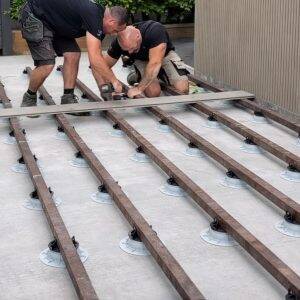
Manufacturers specify the required movement gaps, joist spacing and installation procedures for their products. Drainage and ventilation beneath the deck are also important, particularly in areas exposed to frequent rainfall.
At Ecoscape, we’ve developed composite decking products and supporting systems, so we understand the importance of considering the complete installation rather than just the visible boards.
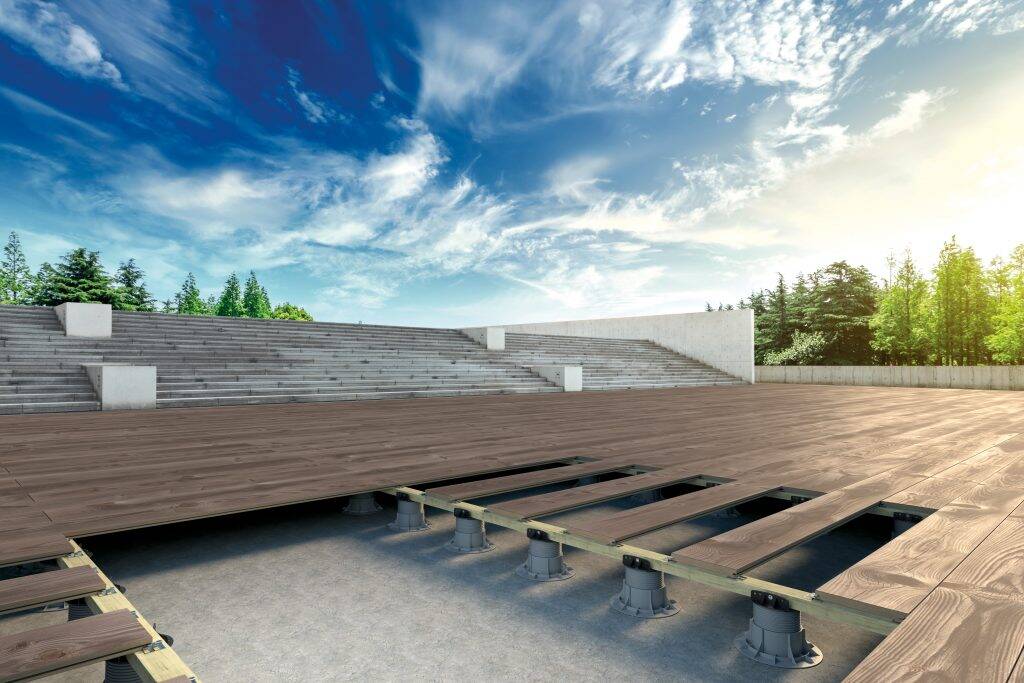
A suitable decking substructure, compatible fixings and appropriate decking trims and accessories help create a stable, professional finish.
Practical advice: Before choosing your decking, consider where it will be installed, how much sunlight the space receives and the type of supporting structure required. These decisions can make as much difference to the finished project as the colour and appearance of the boards.
Is Composite Decking Worth It?
For homeowners looking for a durable, attractive and low-maintenance outdoor surface, composite decking is often well worth the investment.
Its greatest advantage is the combination of long-term durability and convenience, without the regular staining, sealing and refinishing associated with traditional timber. Pressure-treated wood remains a reasonable option where the lowest initial cost or a natural timber finish is the main priority.
However, for a permanent outdoor space intended to provide years of use with relatively little upkeep, composite decking offers compelling benefits. Choosing the right board, colour and supporting system from the outset will help achieve the best long-term result.
Frequently Asked Questions
How long does composite decking last?
Good-quality composite decking can provide decades of service when correctly installed and maintained. Actual lifespan depends on the board, exposure conditions, installation and supporting structure.
Manufacturer warranties can provide additional reassurance, although they are not guarantees of a particular lifespan.
Is composite decking slippery when wet?
Many composite decking boards feature textured or grooved surfaces designed to provide good grip.
However, slip resistance varies between products, and leaves, algae or ice can make any outdoor surface slippery. Choosing a suitable board and keeping it clean are important.
Does composite decking need cleaning?
Yes, but very little compared with traditional timber.
An occasional sweep and a clean after winter are generally sufficient for normal residential use. Where dirt or green algae accumulates, warm water, mild detergent and a soft brush will usually restore the surface’s appearance.
Can composite decking be painted a different colour?
Composite decking is not generally designed to be painted or stained.
Unlike timber, its colour is built into the board or its protective outer surface, so painting is not normally a recommended way to change its appearance. Choosing physical samples and viewing them outdoors before installation is the best approach.
Final Thoughts: Do the Pros Outweigh the Cons?
For most homeowners planning a long-term garden installation, the advantages of composite decking comfortably outweigh its relatively few drawbacks.
Its durability, resistance to rot, attractive finishes and very low maintenance requirements make it an excellent choice for the UK’s changing climate.
Although the initial purchase price can be higher than timber, the reduction in ongoing maintenance makes composite decking particularly appealing over the longer term.
At Ecoscape, our experience developing composite products and systems reinforces the importance of choosing the right board and installing it correctly. Getting the material, supporting structure and installation details right helps ensure the finished deck delivers the performance expected of it.
Explore our composite decking range to see the available materials, colours and finishes. To compare the boards in person, order a free sample pack and we will post it through your letterboxm, or request a free quote and our team will help you plan your project.